Archive by Author

Sponsor deep dives: Conductrics

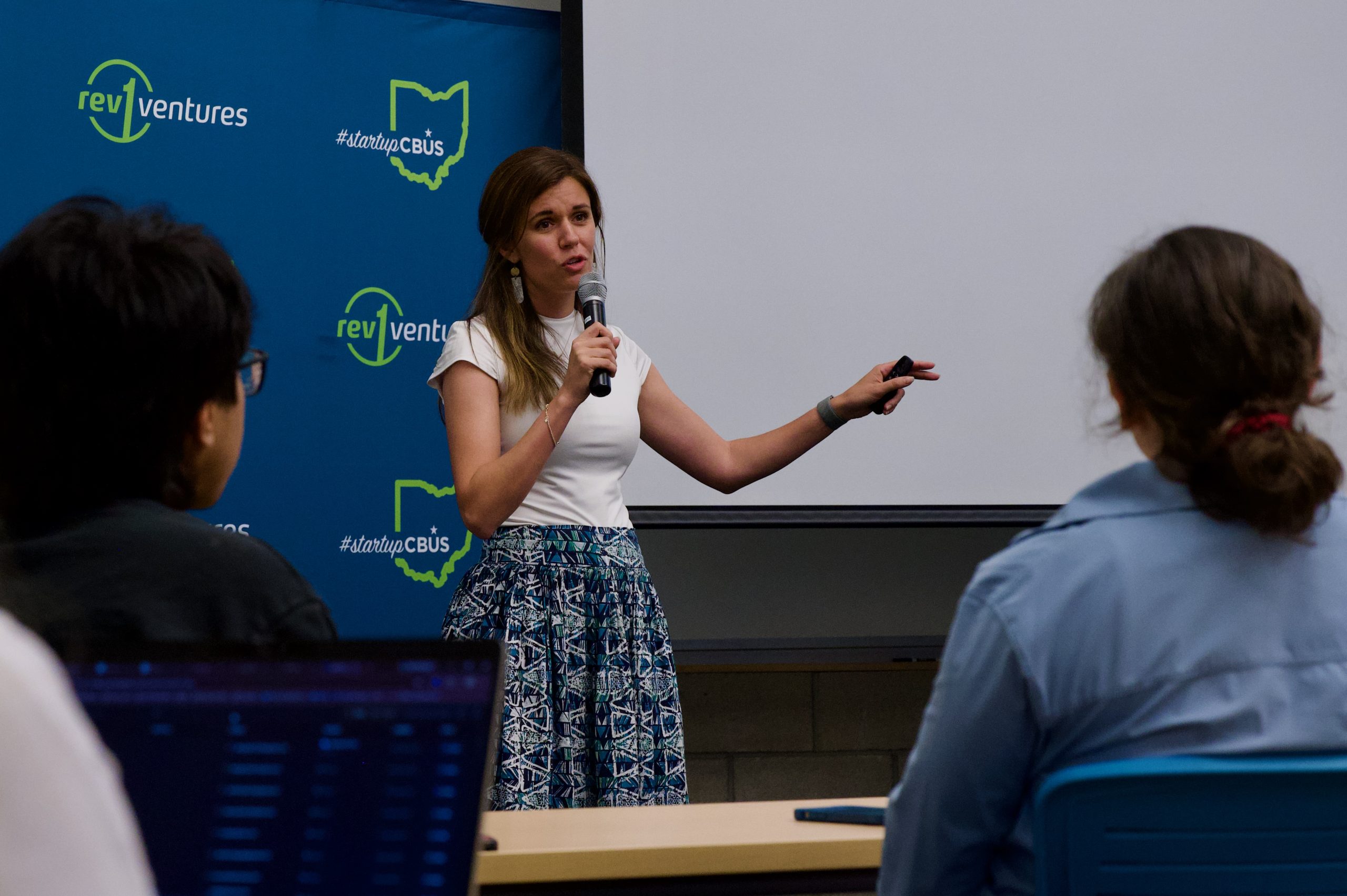
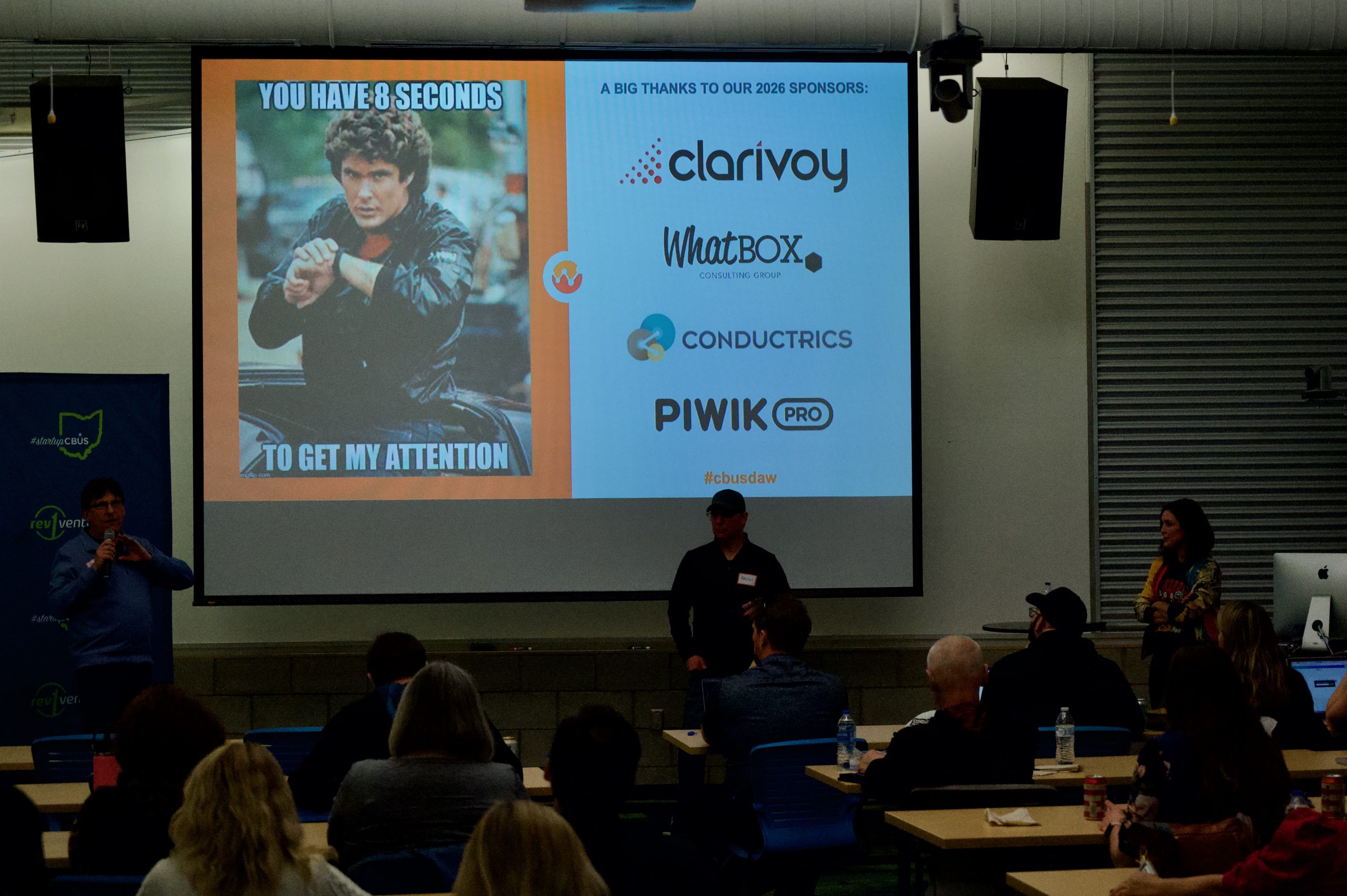
Here at CBUSDAW, we’ve been lucky to have some sponsors come back for multiple years. This kind of steadfast support is a big part of what has allowed us to keep at this for so long (18 years and counting!). Each month at the beginning of the event, that month’s emcee (typically Tim or Bryan) reads off a short description of each sponsor. Something like this:

Conductrics: A decision optimization platform that uses machine learning and AI to enable businesses to personalize and optimize their customers’ experiences.

As far as a short description of what Conductrics does, that sounds fine. But what does that really mean? What does Conductrics really do?

After having Conductrics as a sponsor for a number of years, we decided it was time to dig a little deeper. Last year we did something similar for Piwik PRO, and this year it’s Conductrics’ turn. Conductrics has been a generous sponsor not just of CBUSDAW, but many other great analytics and testing events including Experimentation Island, Superweek and MeasureCamps around the world (Austin, Helsinki, Stockholm, North America, London, and more).

If you’ve been to one of those events and seen Conductrics’ CEO Matt Gershoff speak — you got some serious knowledge dropped on you, but something that was as far away from a product pitch as you can possibly imagine a CEO giving. In Columbus for our August 2024 event, Matt gave an insightful talk about intentionality in data collection and privacy by design in which there were a lot more slides featuring his dog Franklin (I counted 9) than screenshots from his product (2).

So what’s unique about Conductrics? Let’s start by unpacking that monthly blurb a bit:

Decision optimization platform” – Conductrics is an A/B testing platform, but it can do a lot more than just running basic A/B tests. It also does surveys, it does predictive targeting of variations, it allows for comprehensive rules-based targeting for variations, and it connects all of those different pieces of functionality together into a cohesive platform.

“that uses machine learning and AI” – When Conductrics says “machine learning and AI”, they mean that they are using algorithms to help with things like predictive targeting. There’s not a bunch of ✨ icons in the application to generate slop variations or anything along those lines (in fact there are no ✨ icons in the app at all that I saw).

“to enable businesses to personalize and optimize their customers’ experiences” – It’s a customer experience optimization platform for sure, and I think it’s helpful to highlight the “customer” part of that equation. Conductrics is designed to plug into the overall customer experience, which represents a more holistic way to think about CX optimization. This means thinking beyond how to get more clicks on your checkout button and how to improve the entire customer experience. In 2026 “the customer experience” also means a lot more than a webpage, it means everything from mobile apps to API endpoints accessed via agentic AI. If the experience delivery mechanism can be hooked in to an API, it can be included in the personalization and optimization capabilities of the platform.

The red-button / blue-button approach to testing is outdated, but the mindset lingers

Among the CBUSDAW organizers, we don’t have a ton of expertise in modern testing and experimentation practices. Or if we do someone should have spoken up more loudly in the group chat, because you’re stuck with me (Jason) writing this — who is not an expert. I still think about how A/B (or multivariate) testing worked in Google Optimize (sunset in 2023), and even back to the heady days of freemium Optimizely plans. Conventional wisdom from those days was:

  1. Test a lot of variations on pages that directly impact conversion: landing pages, checkout pages, etc.
  2. Whatever variation the tool says impacted conversion most wins.
  3. Rinse and repeat.

This approach isn’t wrong, but it’s very limiting.

In my experience, often this also focuses on small changes repeatedly applied to the same conversion. For example, trying to repeatedly and randomly optimize the same add-to-cart button. This has a low ceiling of effectiveness, as it typically focuses only on things that are very directly related to the conversion, are typically design & content related (rather than functionality), and apply across all customer segments.

Good experimentation should start with a hypothesis, not “let’s test every possible color for the checkout button and see what scores best”. That’s effectively a form of p-hacking, not a coherent practice. Without a hypothesis, people back into a theory to explain whatever “winner” emerges.

Sometimes those winners really are improvements, but sometimes there are other uncontrolled changes or confounds going on, or even just randomness.

This can be a resource-waster for many sites, especially low volume sites where a statistically significant winner could take some time to discover. This led a number of smaller organizations that I worked with to simply abandon A/B testing. If you don’t commit to a robust testing practice, you’re likely to get weak results.

Impactful testing requires context

Thinking about tests as being self-contained is one of the biggest weaknesses of this older approach.

Let’s say you ran a test of your cart checkout page with an updated design that you were really excited about. But the experiment showed it actually performed worse than the existing design!

Without deeper context about your customers, you would have to assume the new design was worse. Yet perhaps the real answer was that many customers who saw the test were returning customers who were confused by the new design and put off checking out with their regular order. Maybe the new customers loved it and checked out at a much higher rate, but without segmentation you’d never know that.

Using a more advanced testing platform, you could have shown the new design to new customers only, or shown the new design to a small % of return customers and included a short survey asking for existing customers to rate the new design.

This approach can help you understand your best customers and maybe do more follow-up testing. Do existing customers need time to adjust to the new checkout? Or perhaps new customers are checking out with only 1 or 2 items and those return customers have big orders where the checkout doesn’t work as well? Maybe you even need different checkouts for repeating vs one-time customers? Without a deeper context and integration, your testing is ultimately much more superficial.

Product testing requires even deeper integration

An advanced experimentation practice means testing more than just content. You can test landing pages all day, but if the product they are marketing sucks then what’s the point? Your analytics might tell you customers don’t like your checkout or your site search, but you can’t just pop variations of those into your front-end testing tool via your tag manager. Testing functionality requires integrating your testing platform deeper into the product, into the code and logic of the product itself and not just the front-end.

This is where server-side testing comes in. Not only does Conductrics support this, but in fact Conductrics started as a server-side testing tool. It supports client-side as well now, but this kind of deeper integration remains at the heart of the platform. When you create any kind of test or experience, you can deploy that test to any number of targets, either automatically or manually.

Let’s say you wanted to test new search results, you might deploy that test to your iOS & Android App and a server-side API used by your web app (but not your Google Tag Manager). Conductrics is designed for these kinds of scenarios:
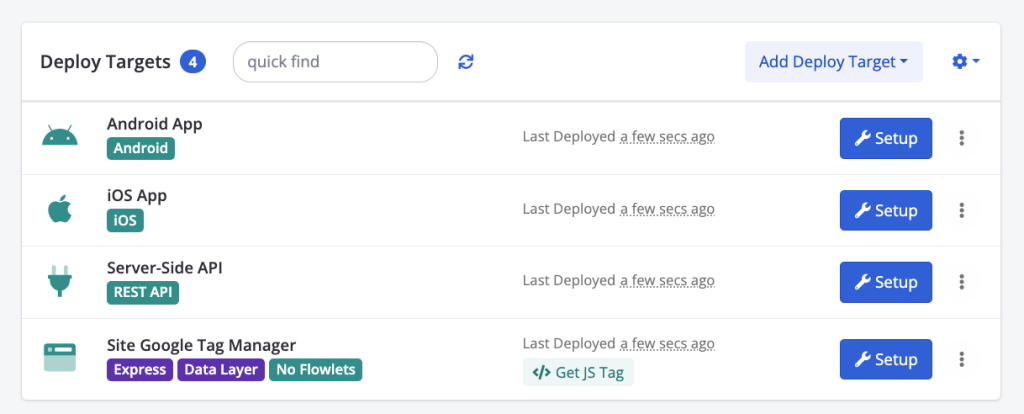
These sorts of advanced features are both what makes Conductrics so powerful, and also shows why this is an enterprise product designed for organizations with more complex needs. If you’re just wanting to run client-side A/B testing, this would be overkill.

The math matters

Most of us aren’t stats experts. We don’t know the difference between a Welch’s vs. Student t-test, and when we see something like “the CUPED variance reduction formula: Var(Y_ra) = Var(Y) * (1 – Cor(Y, Covariate)2)” we probably just skip over that part and keep reading. You just did that yourself right now, didn’t you?

I’m not saying you need to take a stats class before you start a testing practice, but I do think that there’s a big pitfall many organizations hit by completely ignoring the math and treating it as a black box.

When we just look at who won a test and let our testing platform have full control over the statistical parameters of a test we greatly increase the risk of running bad tests that lead us astray.

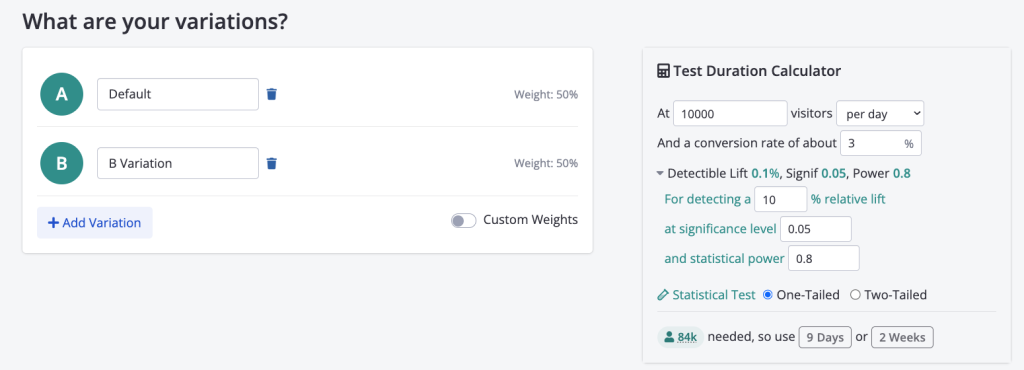
Conductrics puts you closer to the math. When you start an A/B test, they’ve chosen to place a calculator right on the page. It’s got sensible defaults so you don’t have to delve into these details, but it’s bringing it to the foreground.
 

Playing well with others

One of the most frustrating things about digital marketing tools like Google or Adobe is that they don’t integrate well with other platforms. For example, the increase in agentic AI has recently led to more people talking about data layers and semantic layers. I’ve long found data layers to be one of the most useful ways to pass data between different digital marketing tools. Yet everyone has their own competing standard: Google has “dataLayer” (yes, they called their data layer standard “data layer”), Adobe has Adobe Client Data Layer, Tealium has Universal Data Object, etc. GA/GTM’s ubiquity has led to their dataLayer being the closest thing we have to a universal standard, but it is far from universal and there is even less standardization of the contents of data layers. This chaos is repeating itself with competing semantic layer standards.
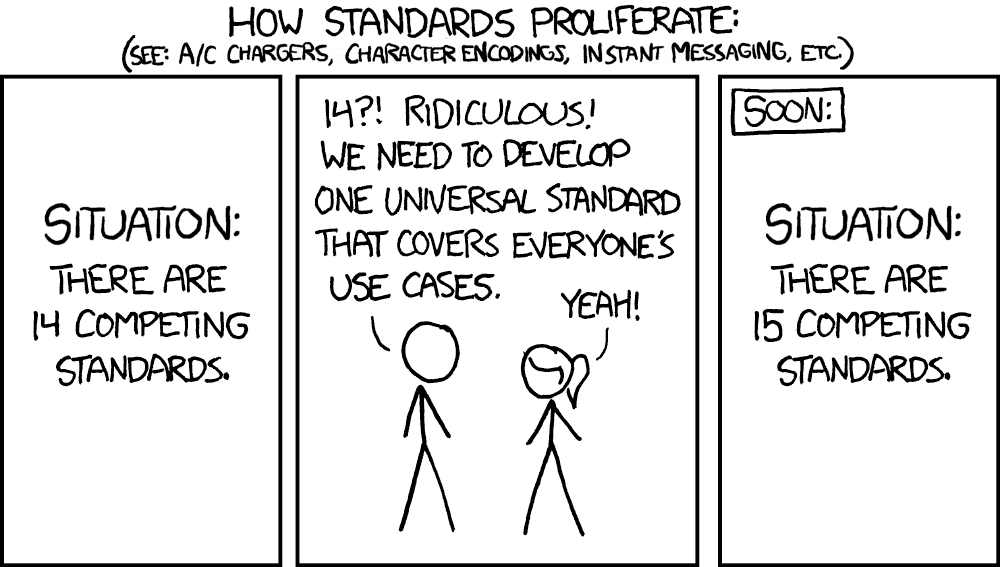
When discussing competing standards, it’s required to include this XKCD comic.

Conductrics recognizes that we live in a world with all these competing standards. In order to offer the level of integration that I’ve touted as being necessary for a next-level experimentation program, you need to be able to plug into anything. Here’s an example of the data layer configuration options in Conductrics:
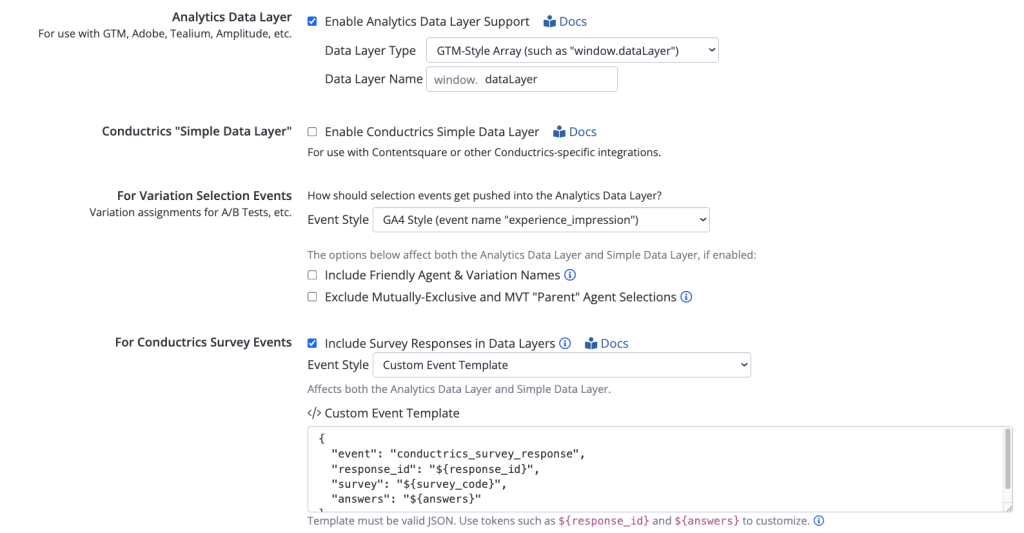
 

If you want to do Google-style dataLayer, you can do that. Or if you’re using Tealium and their weird flat uTag object you can do that instead! A data layer allows you to plug into anything, but Conductrics is going above-and-beyond here to give you options on different data layer standards and events to make these integrations easier.

If I’ve lost you with this data layer stuff and these screen shots seem too complicated, I get that. But trust me that your GTM, Adobe Launch, or Tealium implementation folks are going to appreciate this. This is illustrative again of how Conductrics is more of a specialists’ platform and probably not what you’re looking for if you want to run your first A/B test for a small or medium business.

Final Words

There are a lot of tools out there in the testing space, and we’re not here to sell you on Conductrics vs. Optimizely/Adobe/AB Tasty/etc. If you just want to run some simple surveys or some basic A/B content testing then you may in fact be better served by tools like VWO, Convert.com, or more likely even the A/B testing built into your primary marketing content platform like HubSpot, Unbounce, Klaviyo, etc.

Our goal with this article is to help members of our analytics community better understand our long-time sponsor Conductrics and what kind of platform they are. As always, we avoid sales pitches at our events and try to focus on concepts that apply to all vendors, so we wanted to take this opportunity to talk about tool specifics in a long-form post.

If you’re interested in learning more, book a demo with Conductrics here.

April 2026 Recap – The Data-Driven Brand

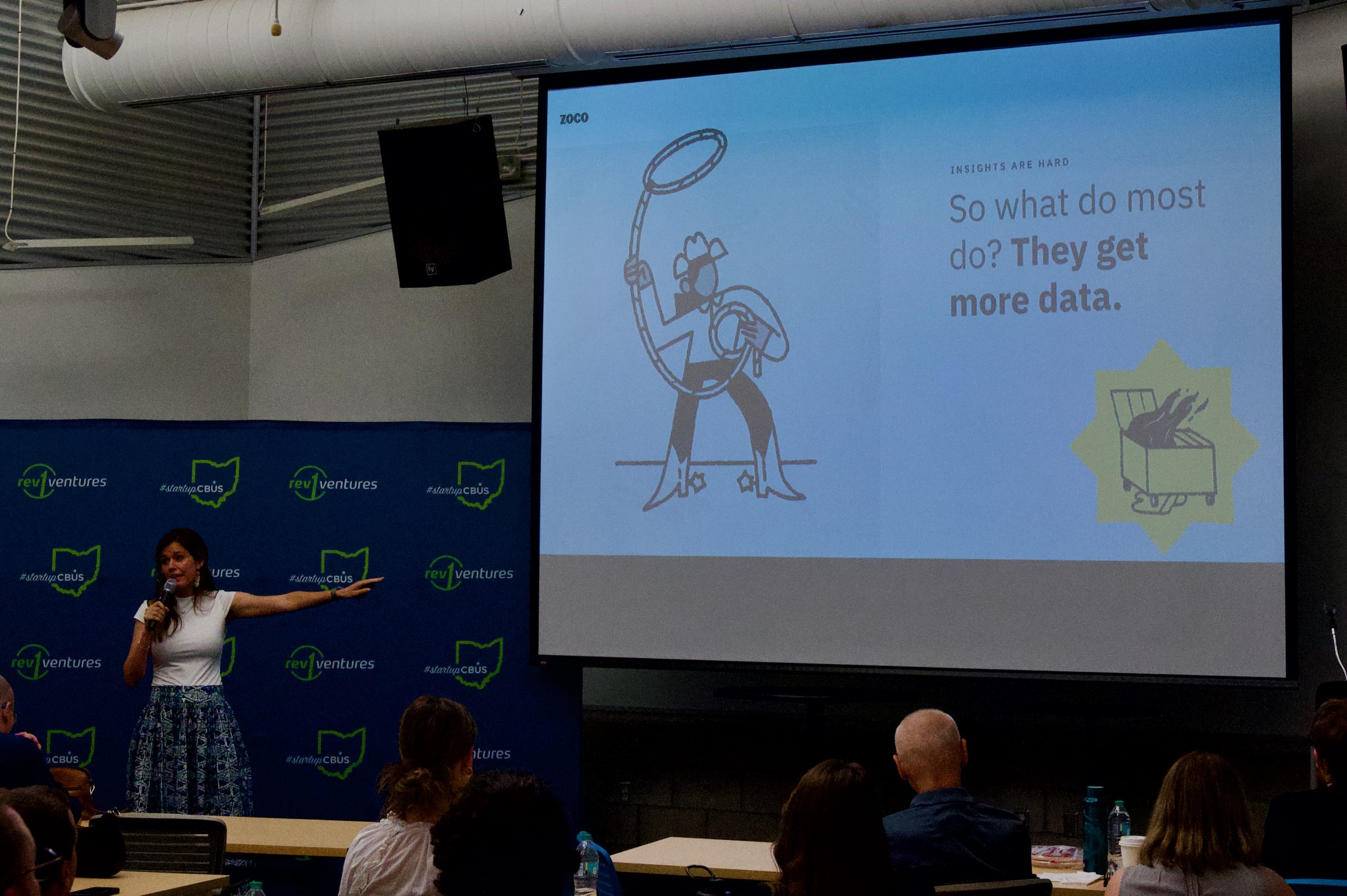
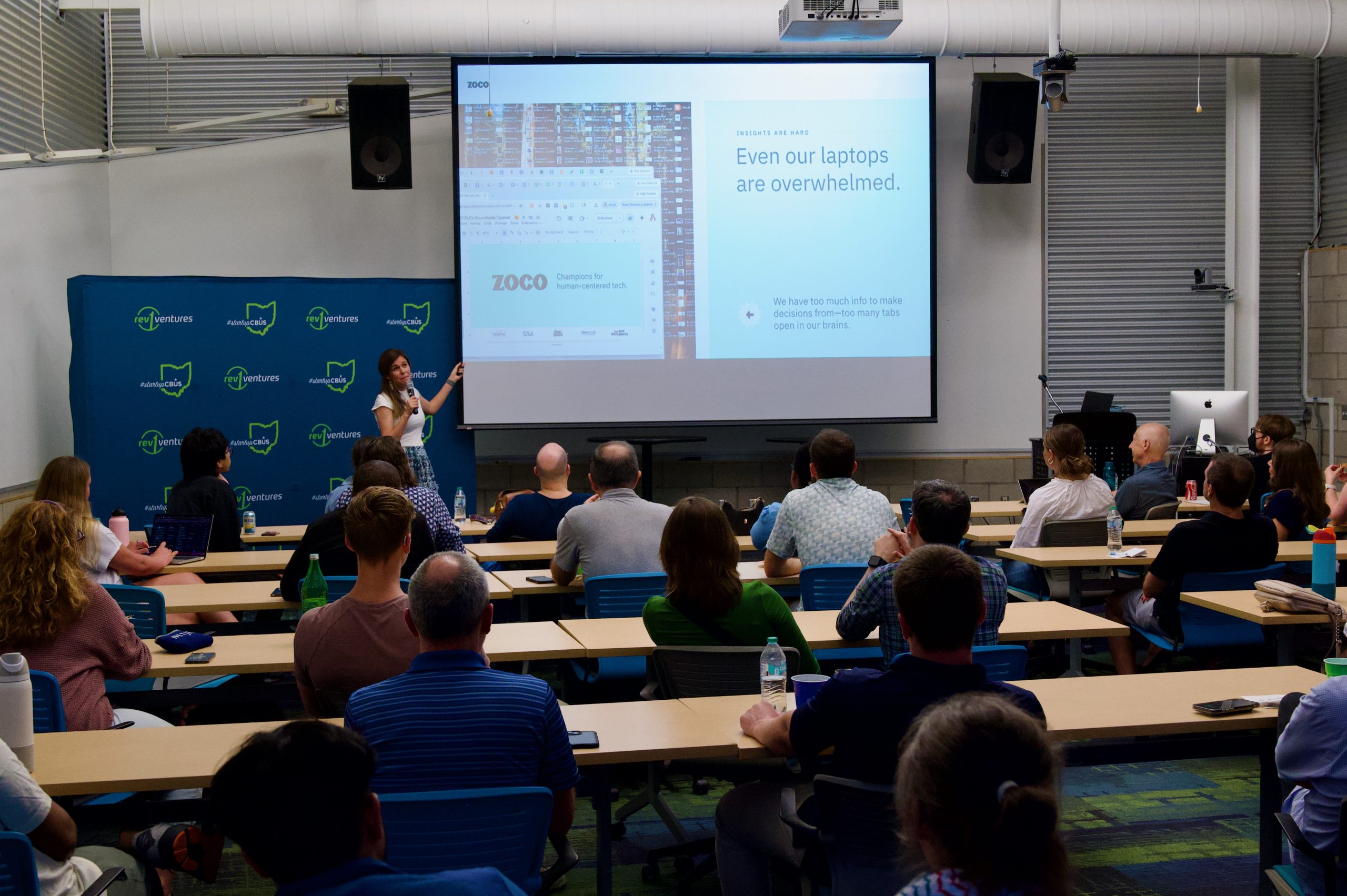
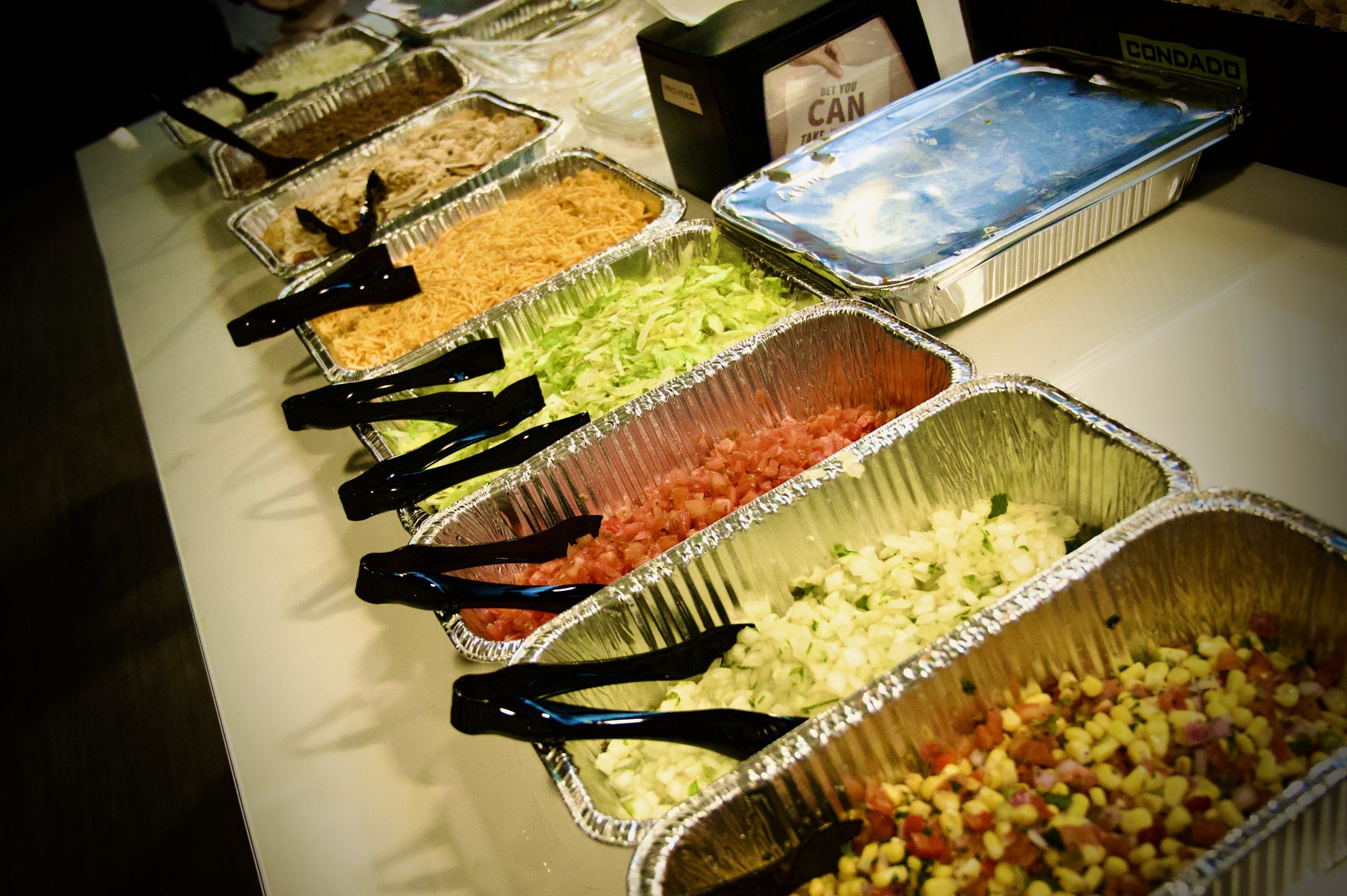
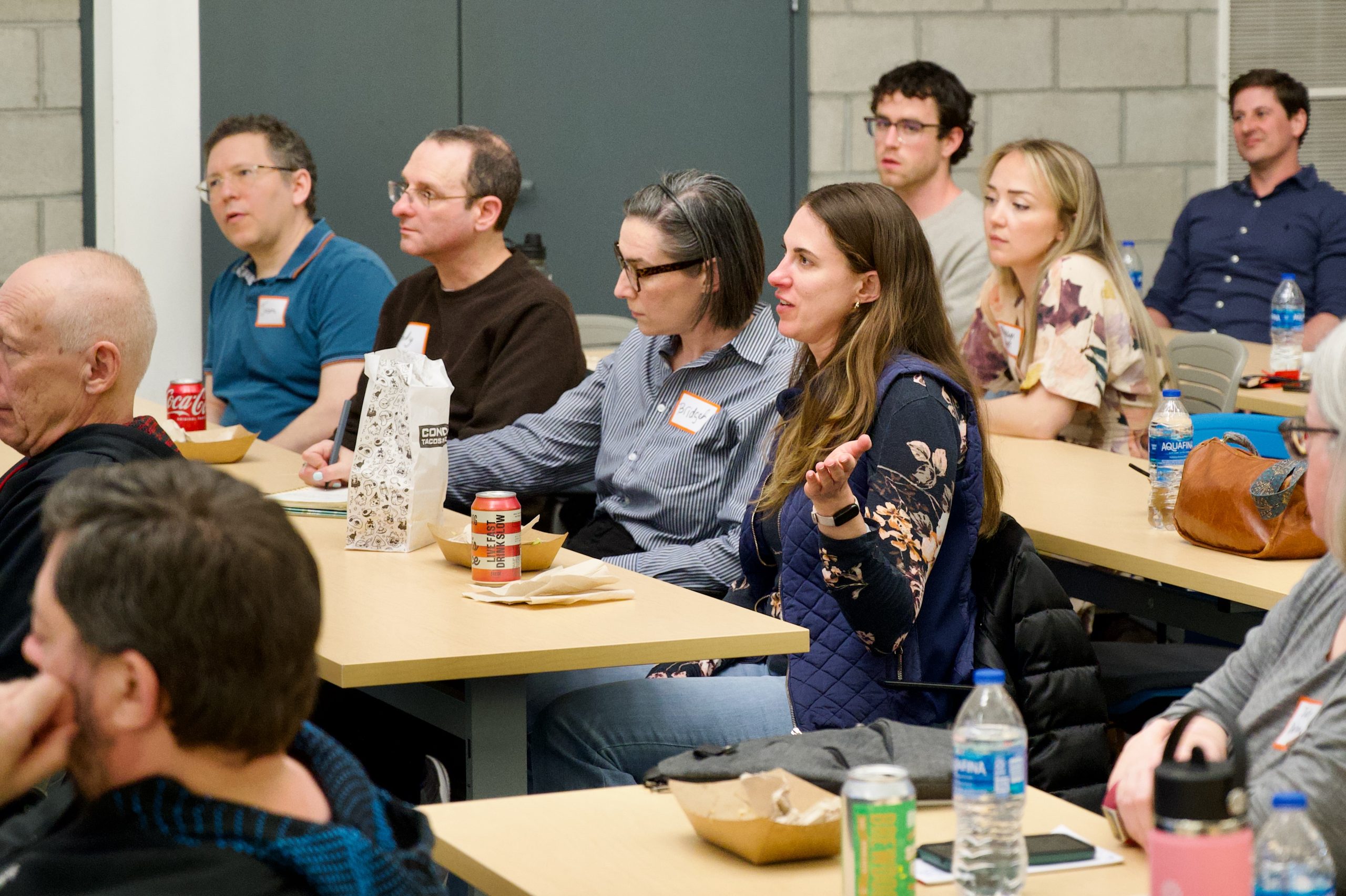
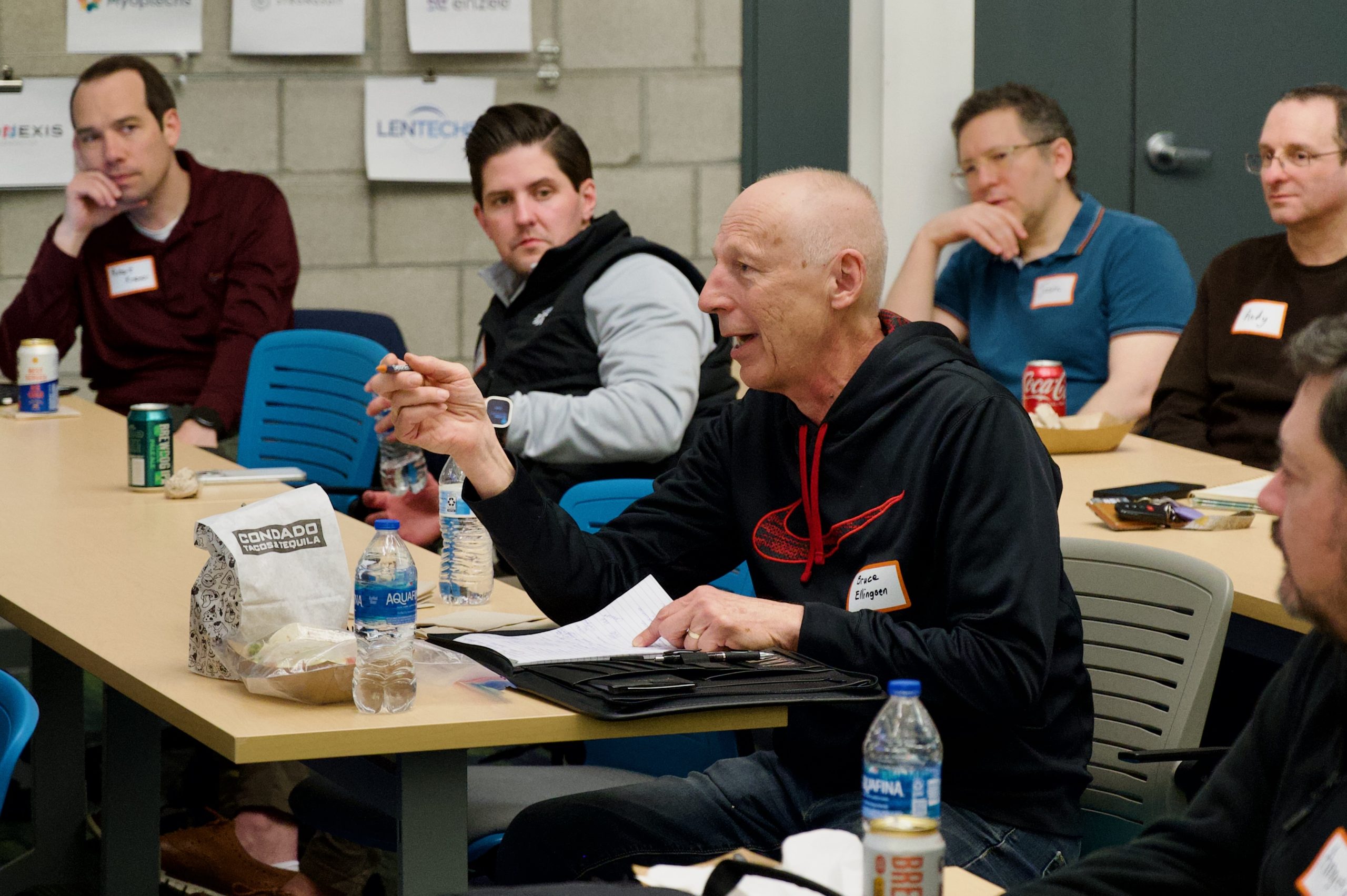
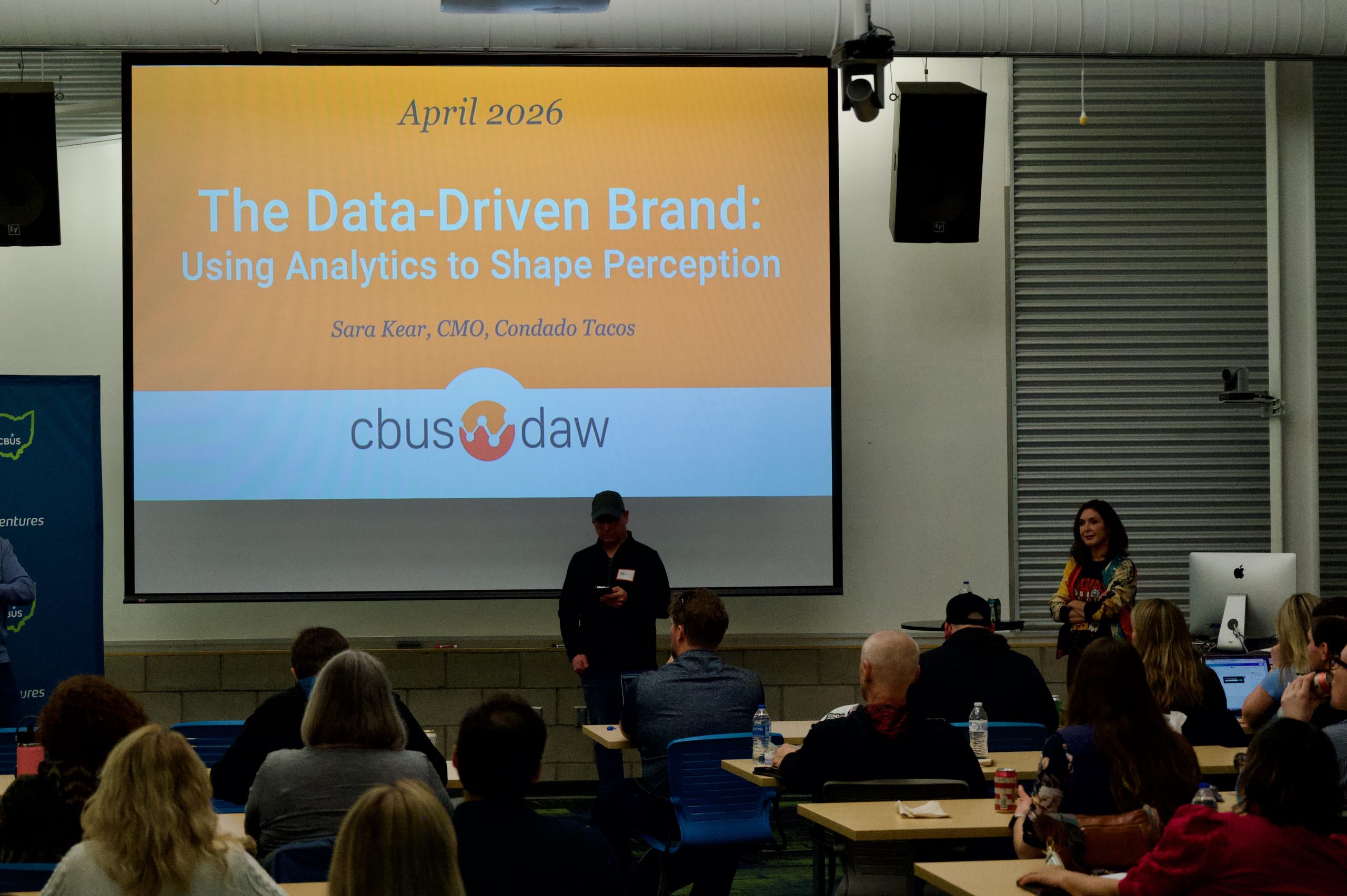
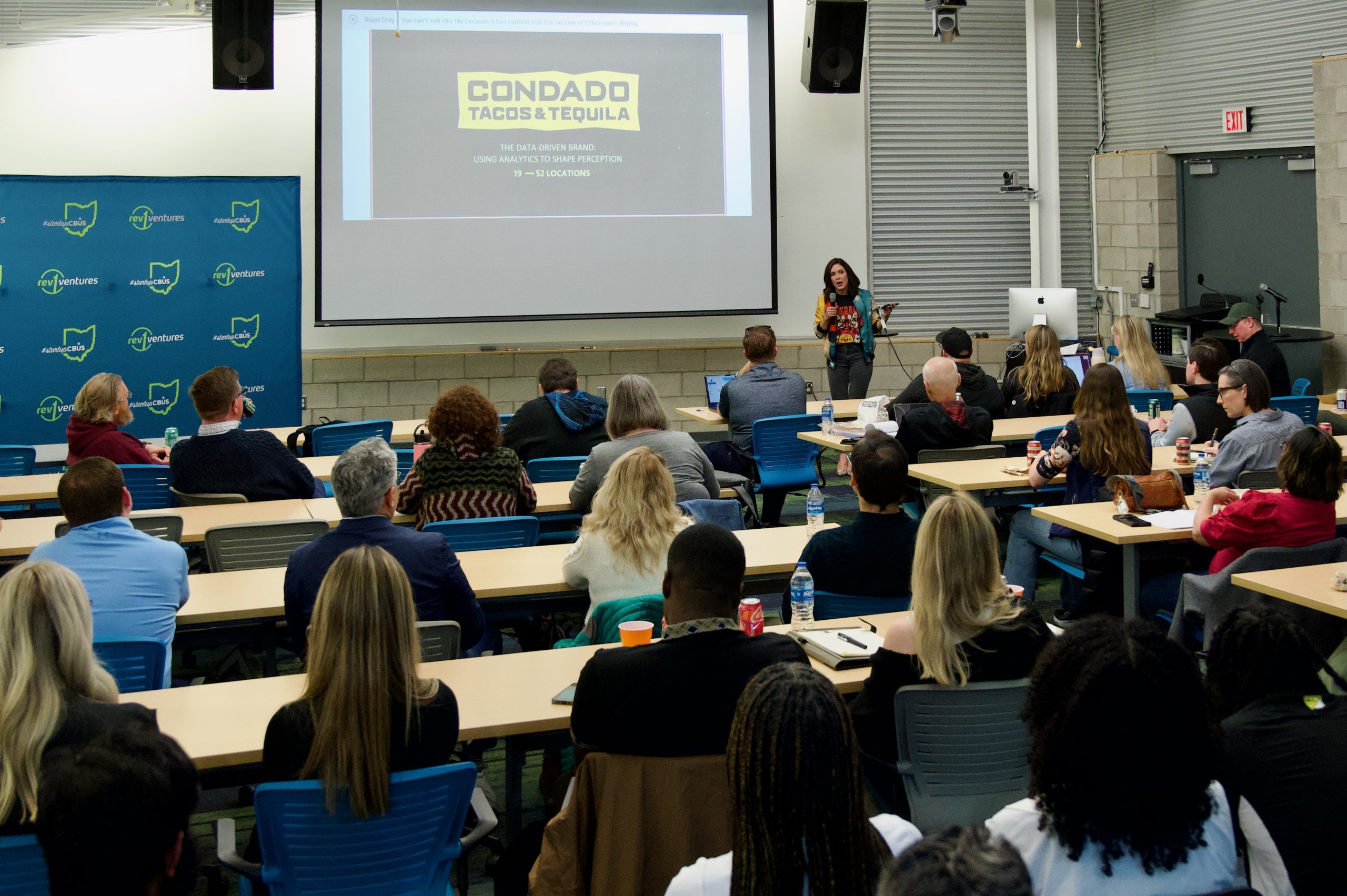
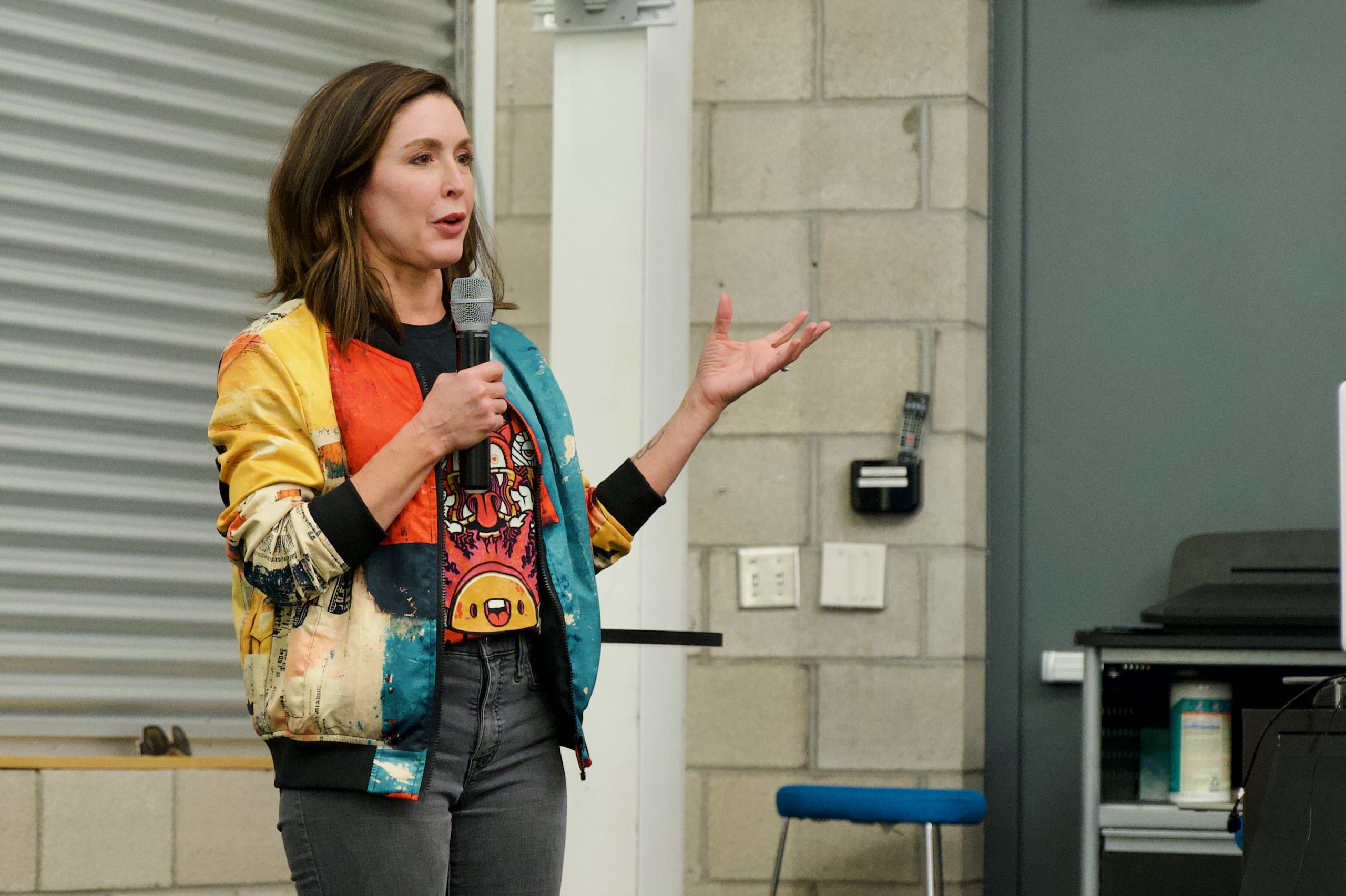
For our April 2026 meetup, we had Sara Kear—the CMO of Condado Tacos—talk about how analytics and data can be used to help with branding. Yes, Condado Tacos were served. If you missed out, sadly cbusdaw does not do delivery.

Sara pointed out that branding is really about how your brand makes people feel. We might think of “branding” as a package of fonts, logos, and colors: but it’s better thought of as what your audience thinks about you. While this might seem like the softest and most qualitative of data, it can be some of the most powerful to help you figure out what your company is doing right and wrong.

In particular Condado focused on understanding exactly who their best customers were. It turned out that this segment of their customers, called “socializers”, drove 70% of Condado’s repeat business! Listening to customers via socials, surveys, and focus groups and then being able to tie some of that data to actual customer behavior allowed Condado to make better decisions. That’s exactly the kind of data-driven decision making we’re always talking about, yet can frequently be so elusive.

Sara also explained that it wasn’t about getting data perfect: it wasn’t about having that mythical 360-degree view of what customers did, it was about taking a human-centered approach and starting by listening to people.

We were also happy to have donated to the Global Foundation for Peroxisomal Disorders on behalf of Sara for this talk.

Upcoming events we mentioned included:
Wakeup Startup: April 16 and May 21.
Columbus Startup Week, May 5-7 at COhatch Polaris
DataConnect: October 29th-30th
Tim Wilson @ Innovate New Albany’s TIGER Talks, May 15th.

Sara’s Slides

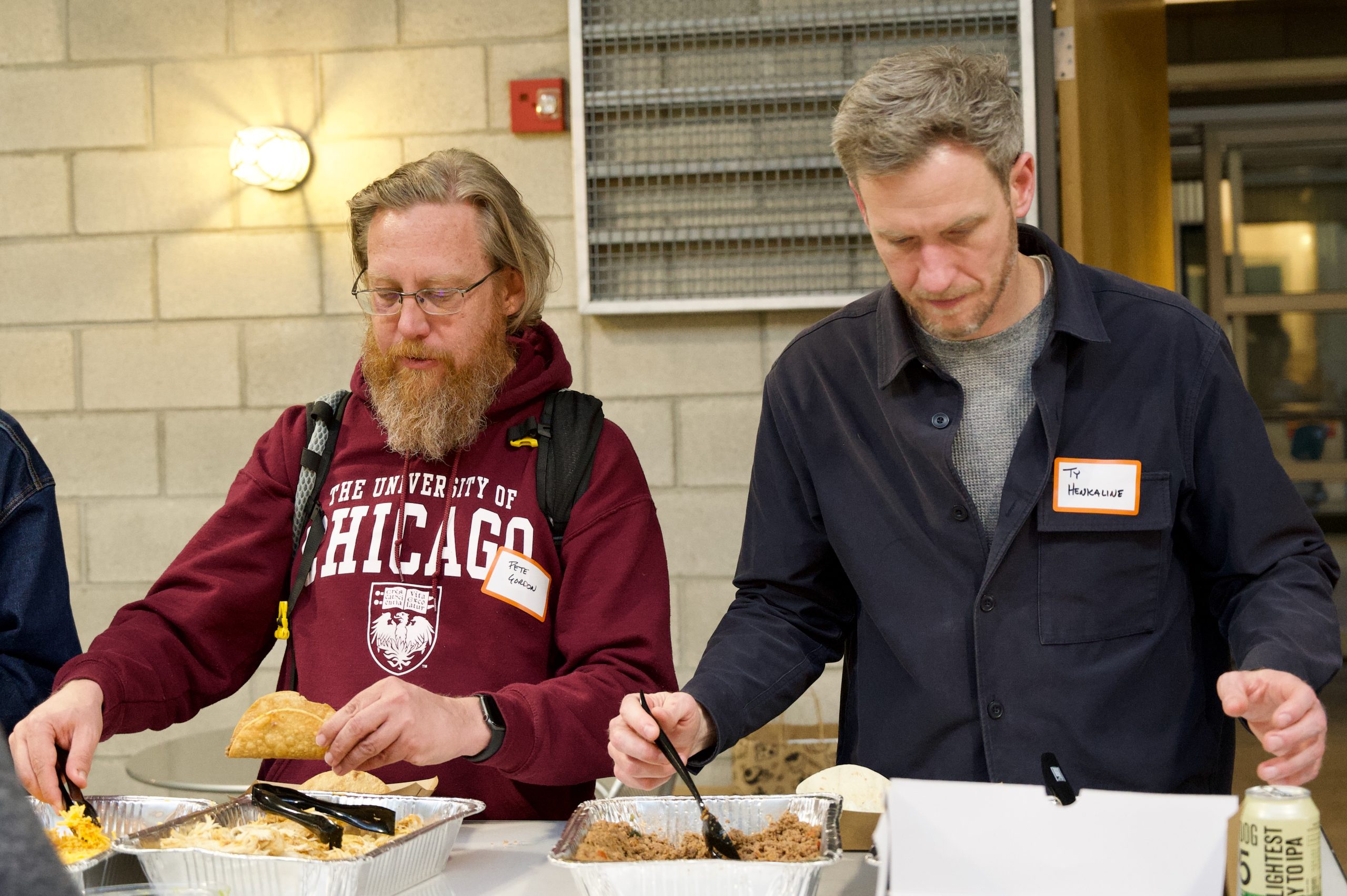
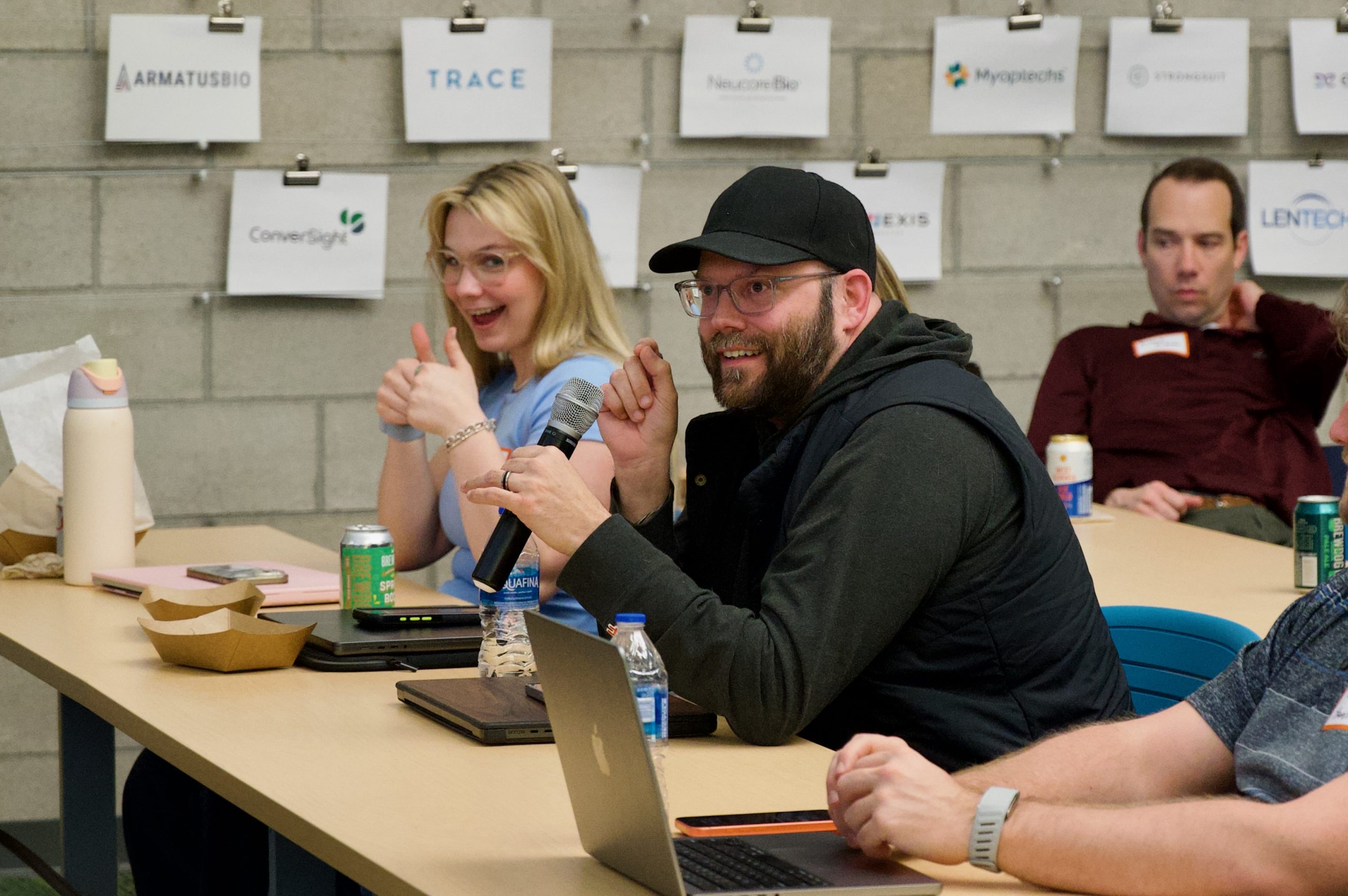
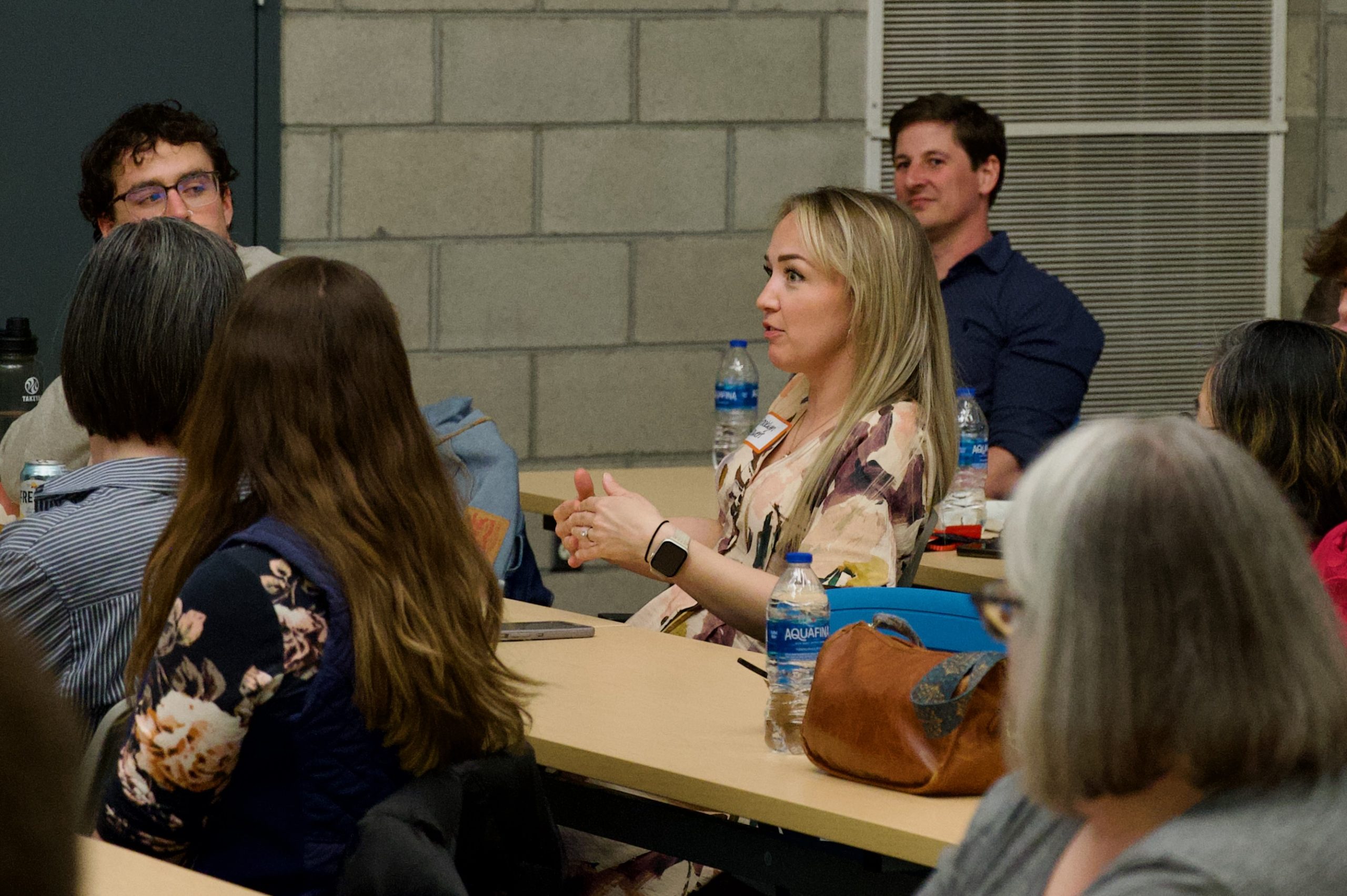
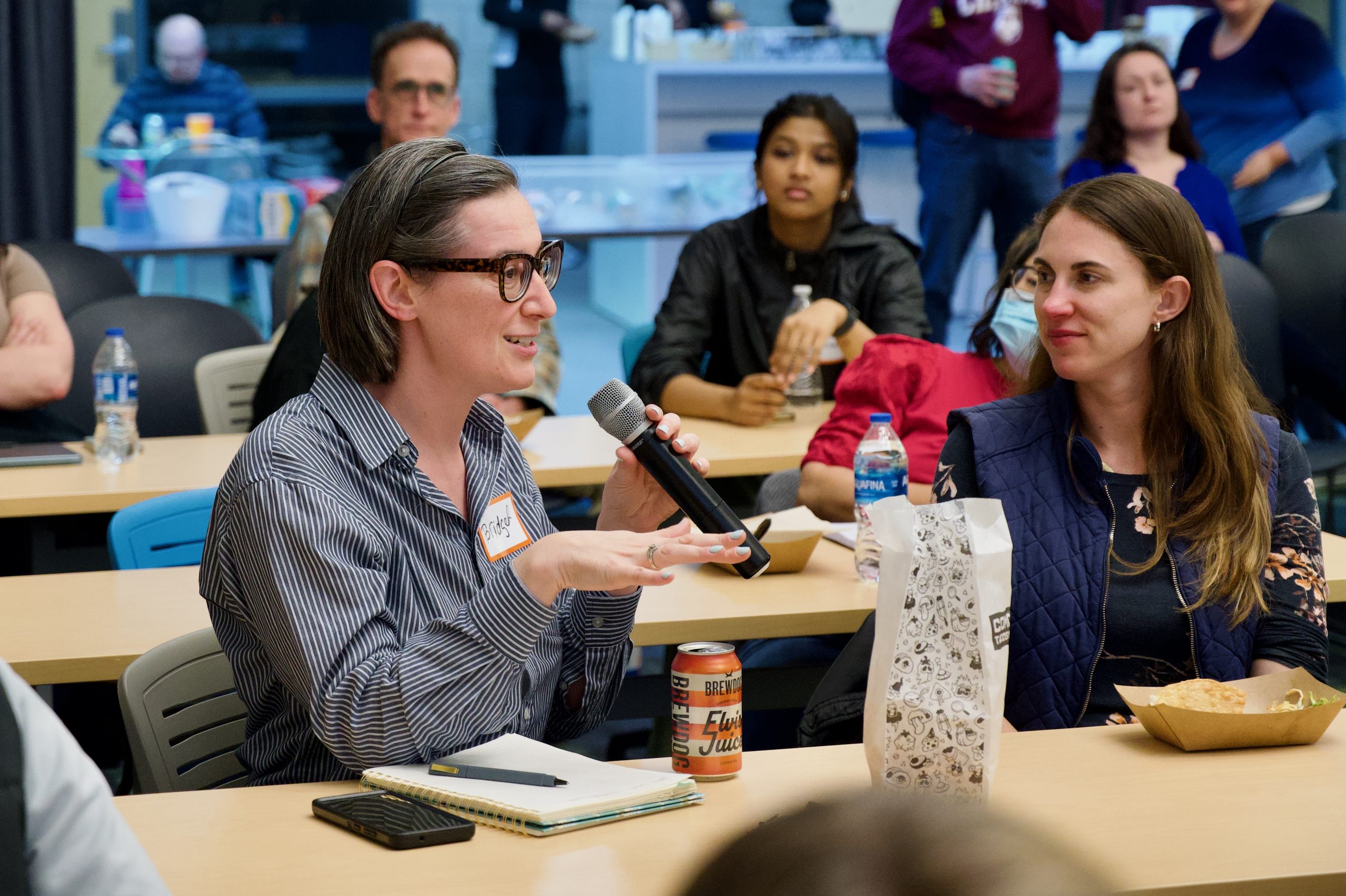
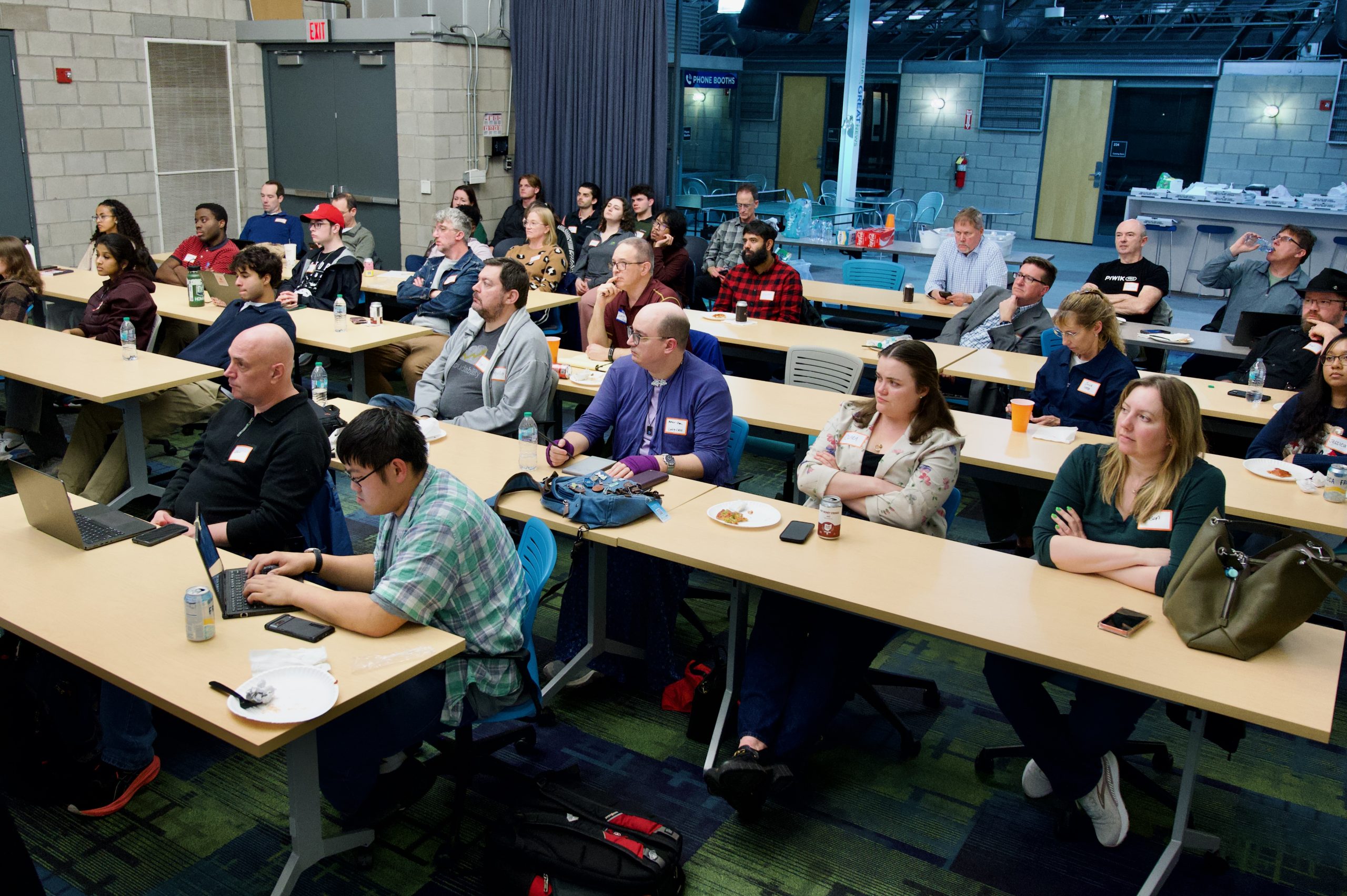
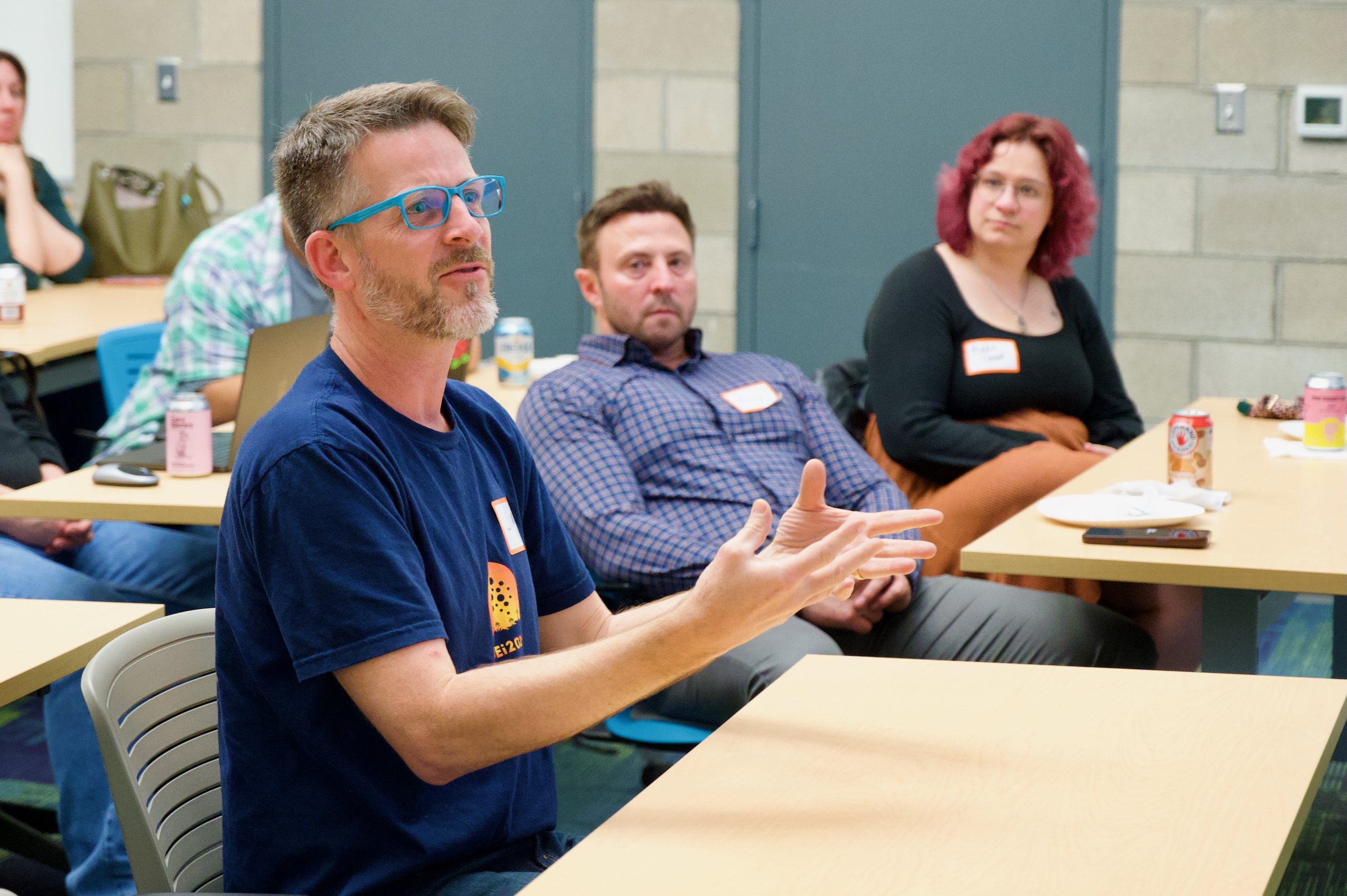
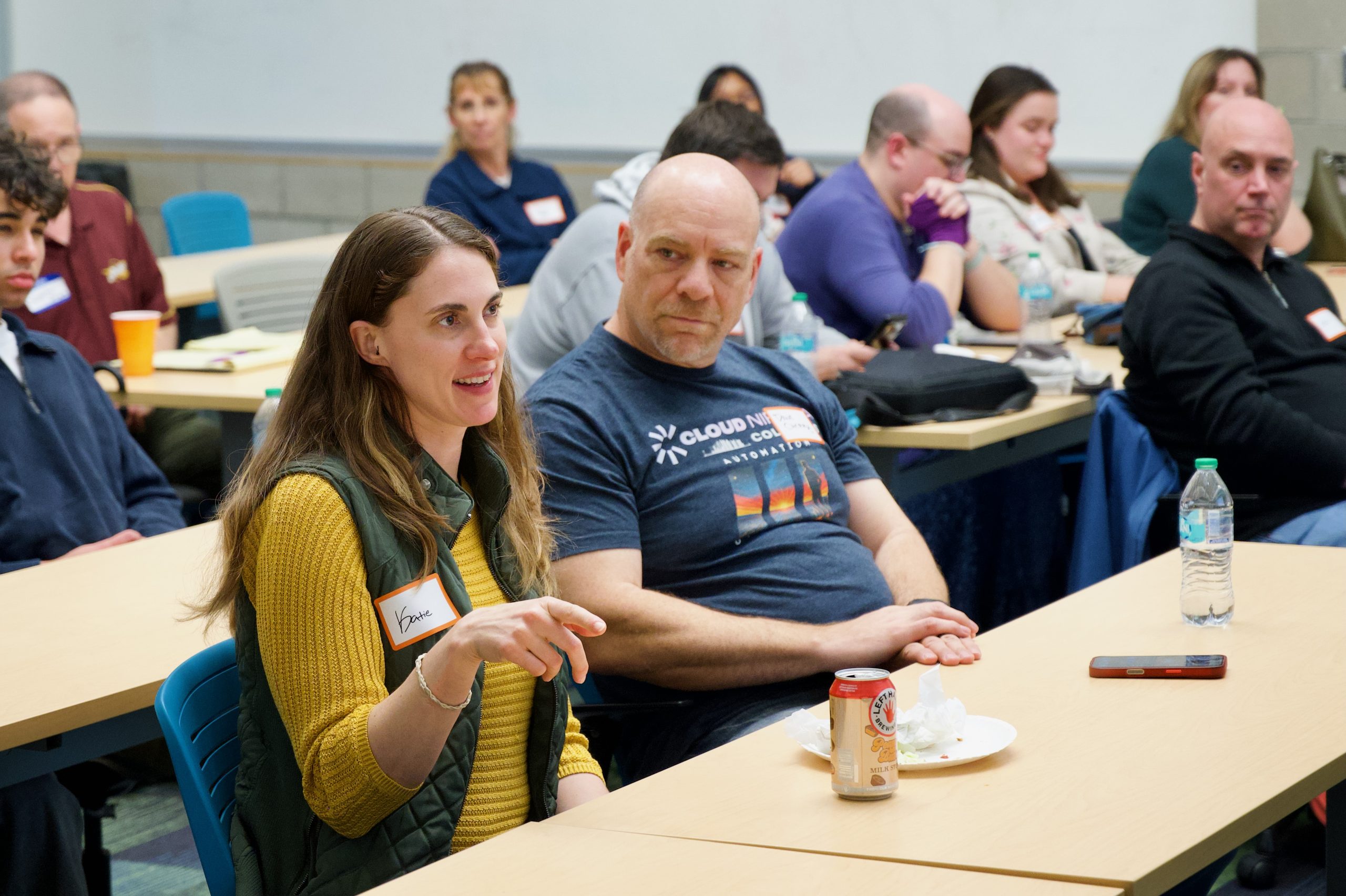
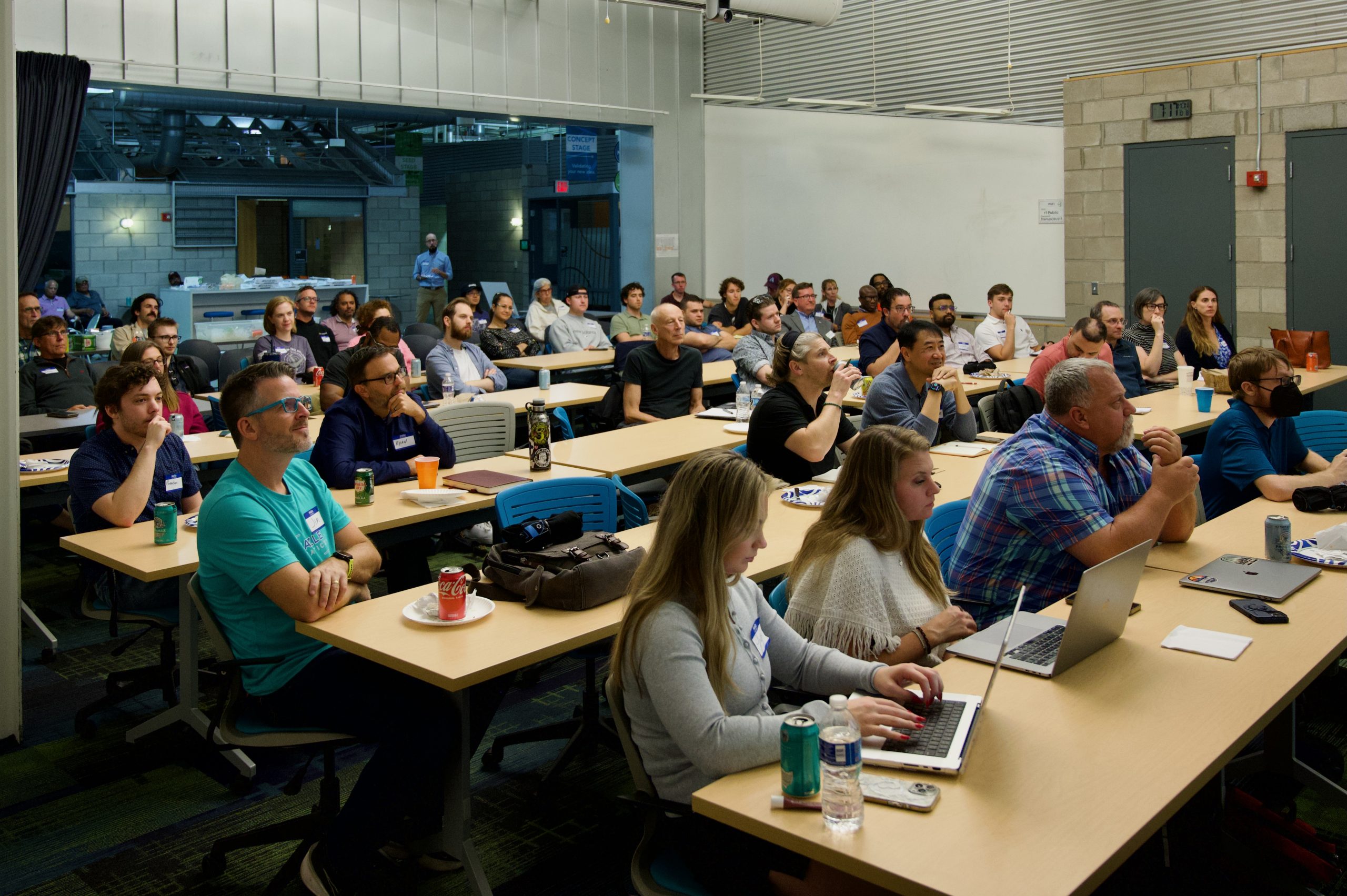
And of course a few pictures!

March 2026 Recap – Google Analytics Alternatives

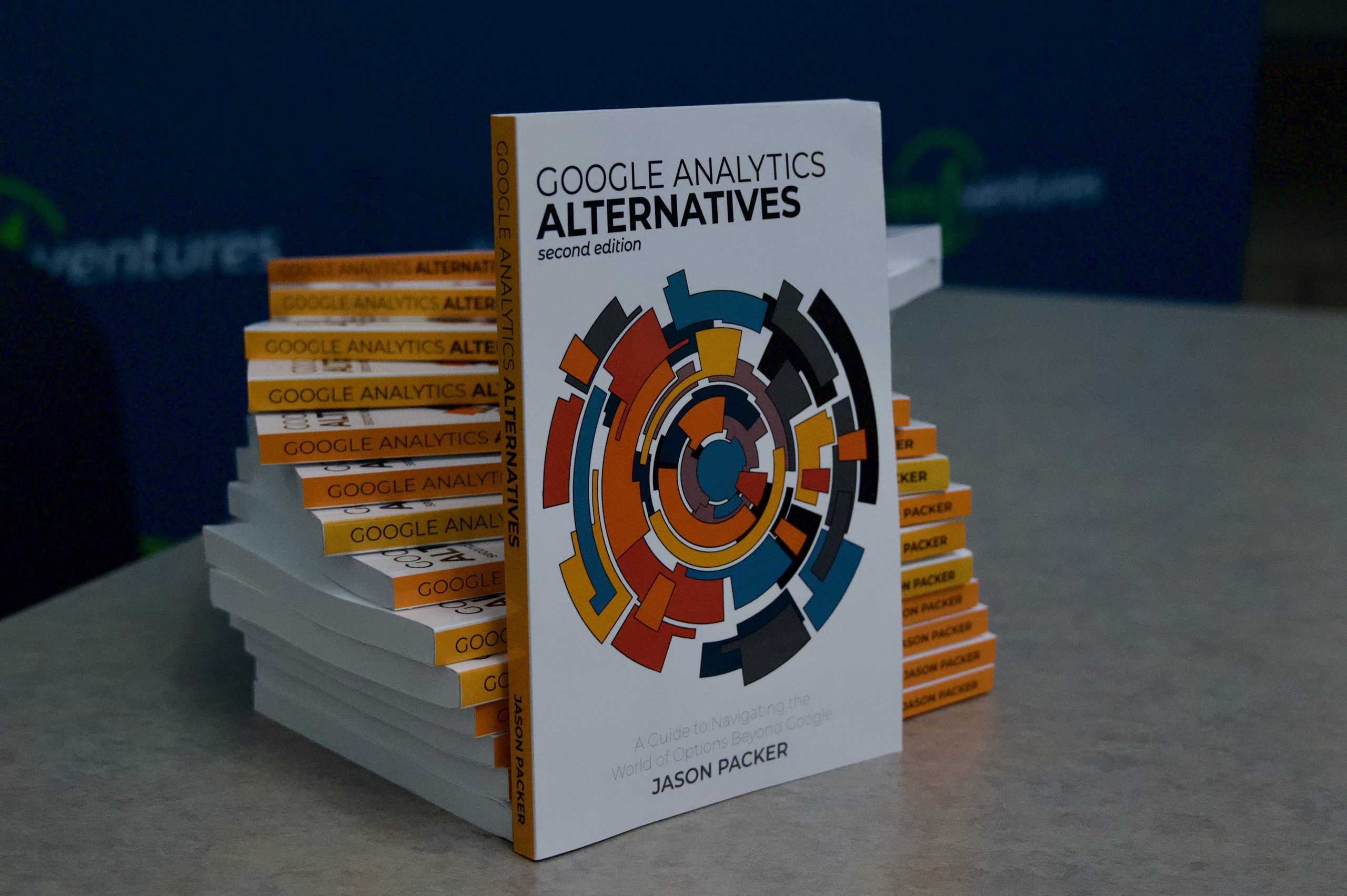
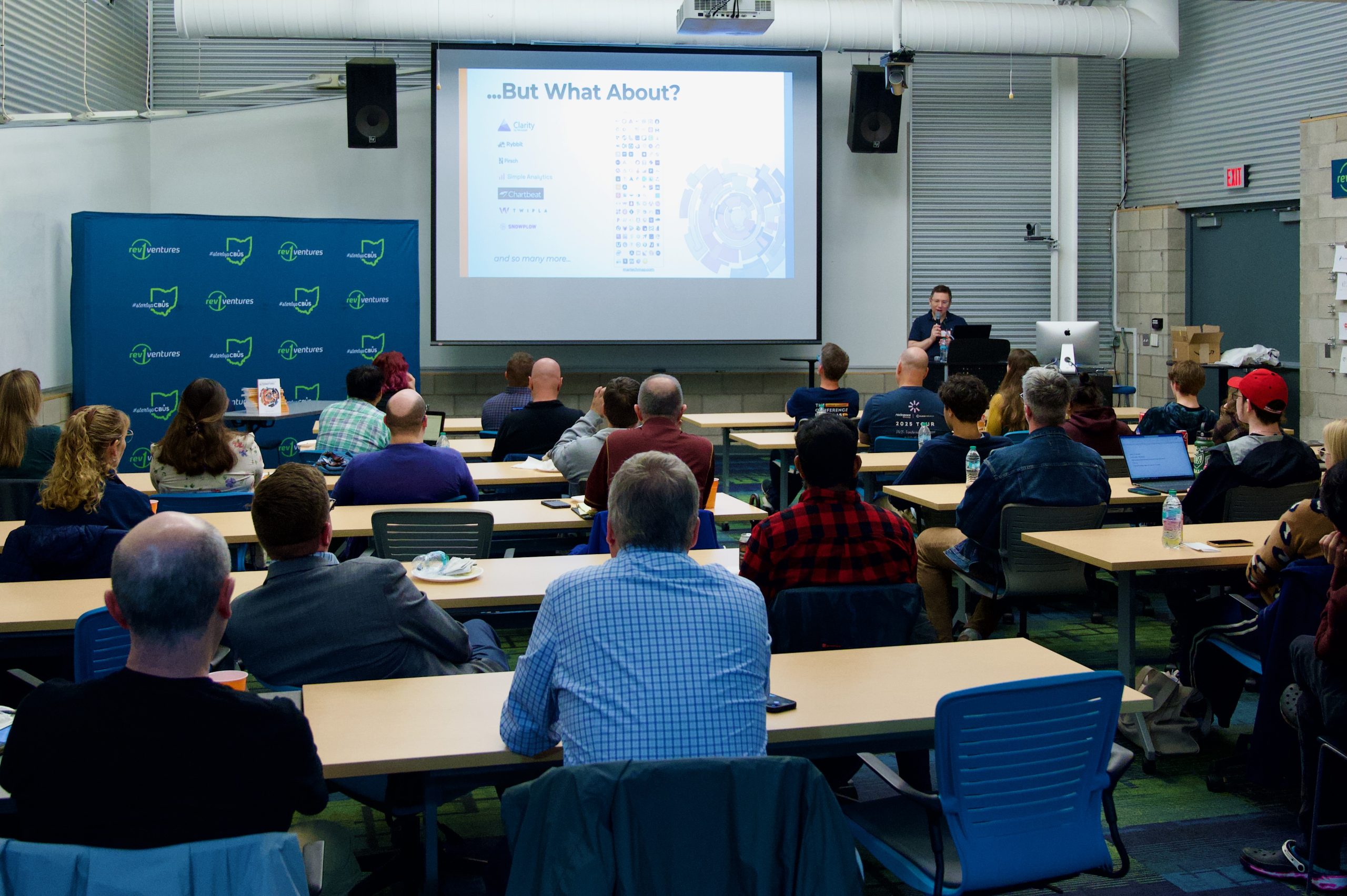
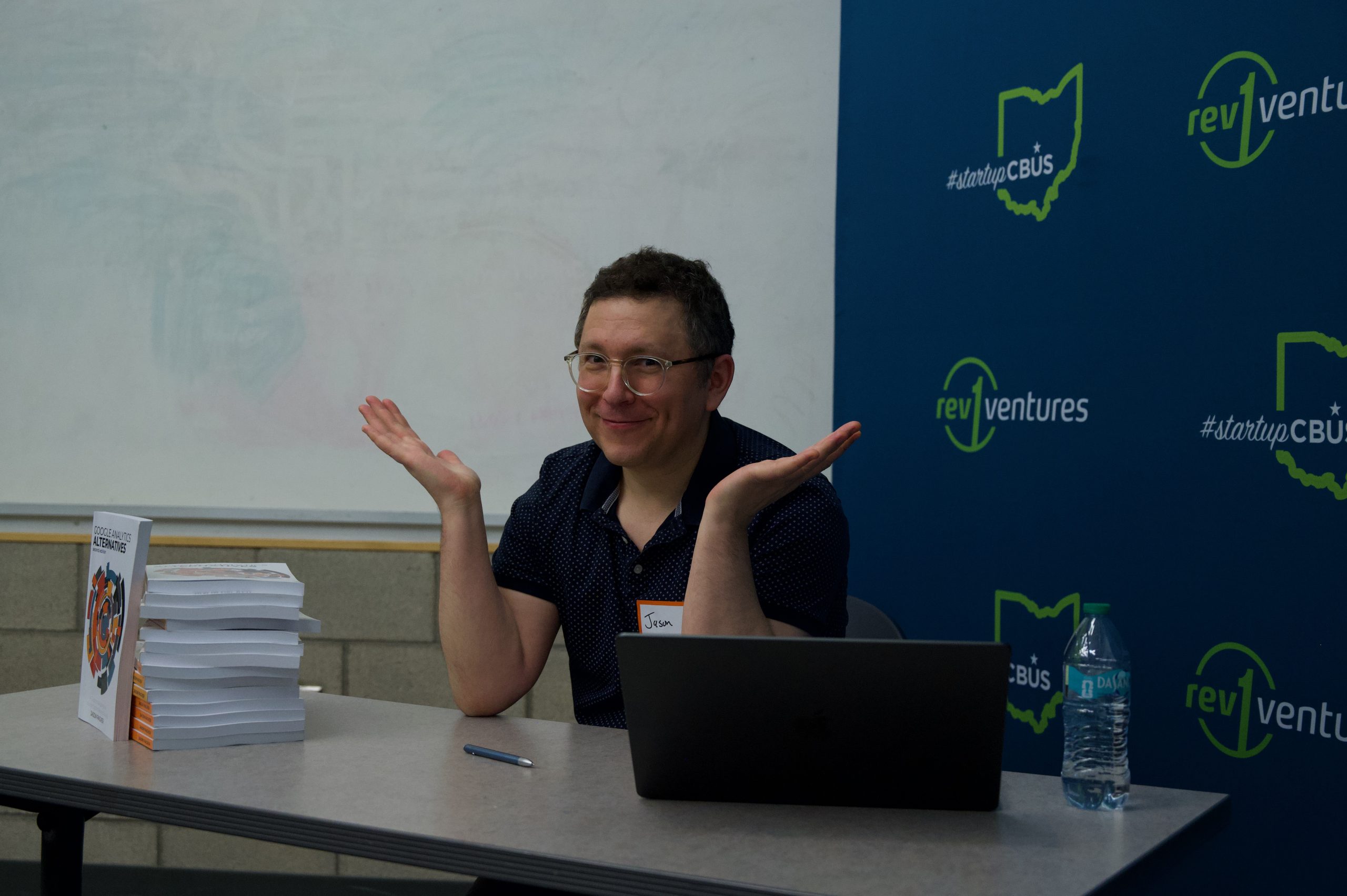
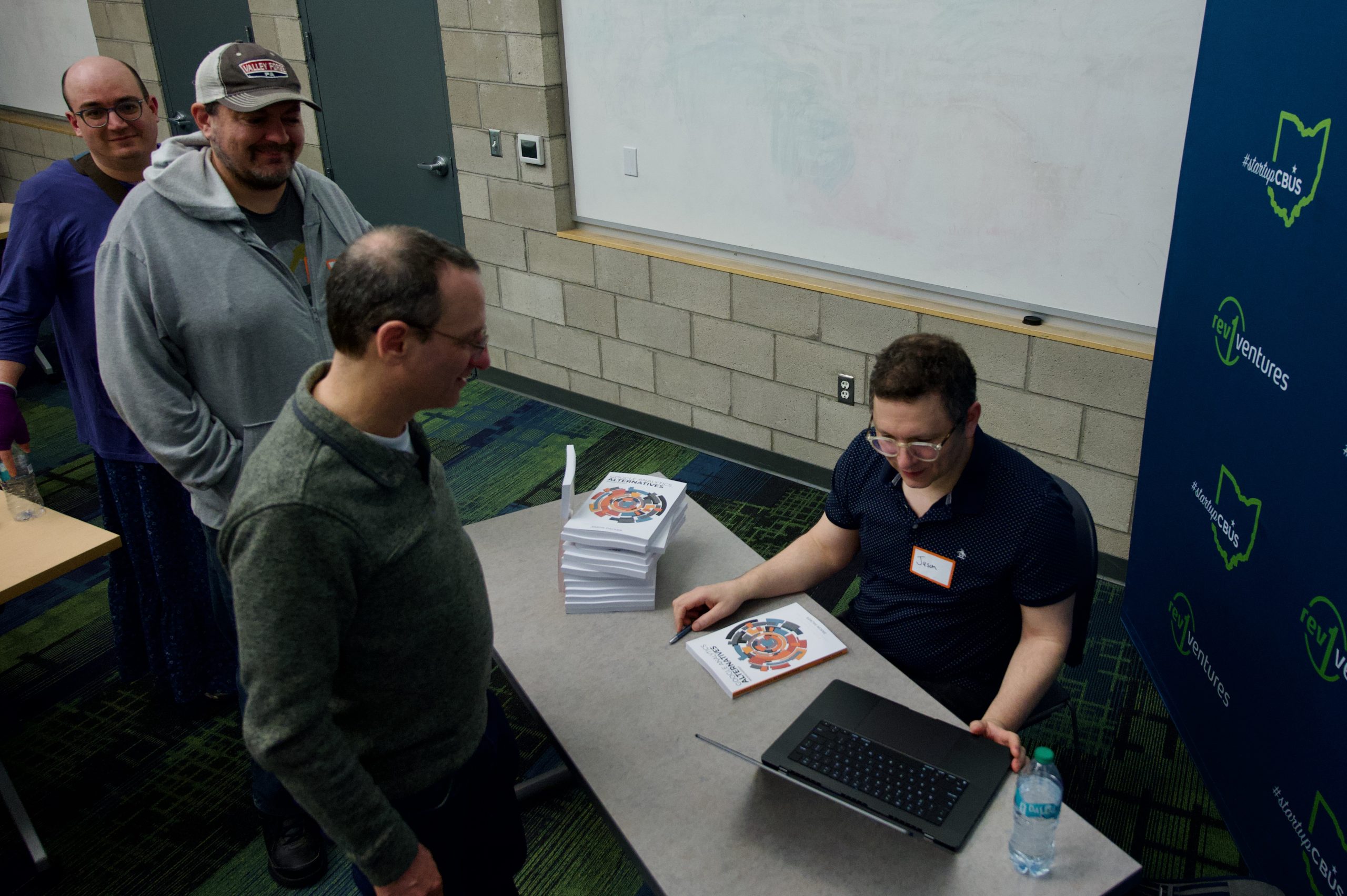
For our March Event, we had Jason Packer talk about his newly released book Google Analytics Alternatives, 2nd edition.

Jason’s book is an amazing and stunningly comprehensive run-down of 15 of the top analytics tools in the field — an absolute must-read. Coincidentally Jason is also one of the organizers of Columbus Data & Analytics Wednesdays and happens be writing this recap.

While Google Analytics is still by far the most widely deployed tool, Jason believes we’ve entered an era where the challenges of modern data collection mean that for many sites there is a better fit to be found in another tool. That best fit could still be GA4, but thinking of GA as the default tool installed on all sites in all situations is an outdated approach.

Jason pointed out that there isn’t a “best” tool and we shouldn’t think of tool comparison as a competition. His preferred framing is to focus on tool selection (not comparison) and use that selection process as a chance to identify the data questions we’re trying to answer and try to find a tool that can help us do that.

We also talked about how feature comparison lists can be very misleading, and how playing around with live demos or free tiers of these tools can be a good way to learn before committing to a new platform.

Then we held a raffle and gave away 15 copies of the book!

A few links from the event:


October 2025 Recap – Custom GPTs with Bryan Huber

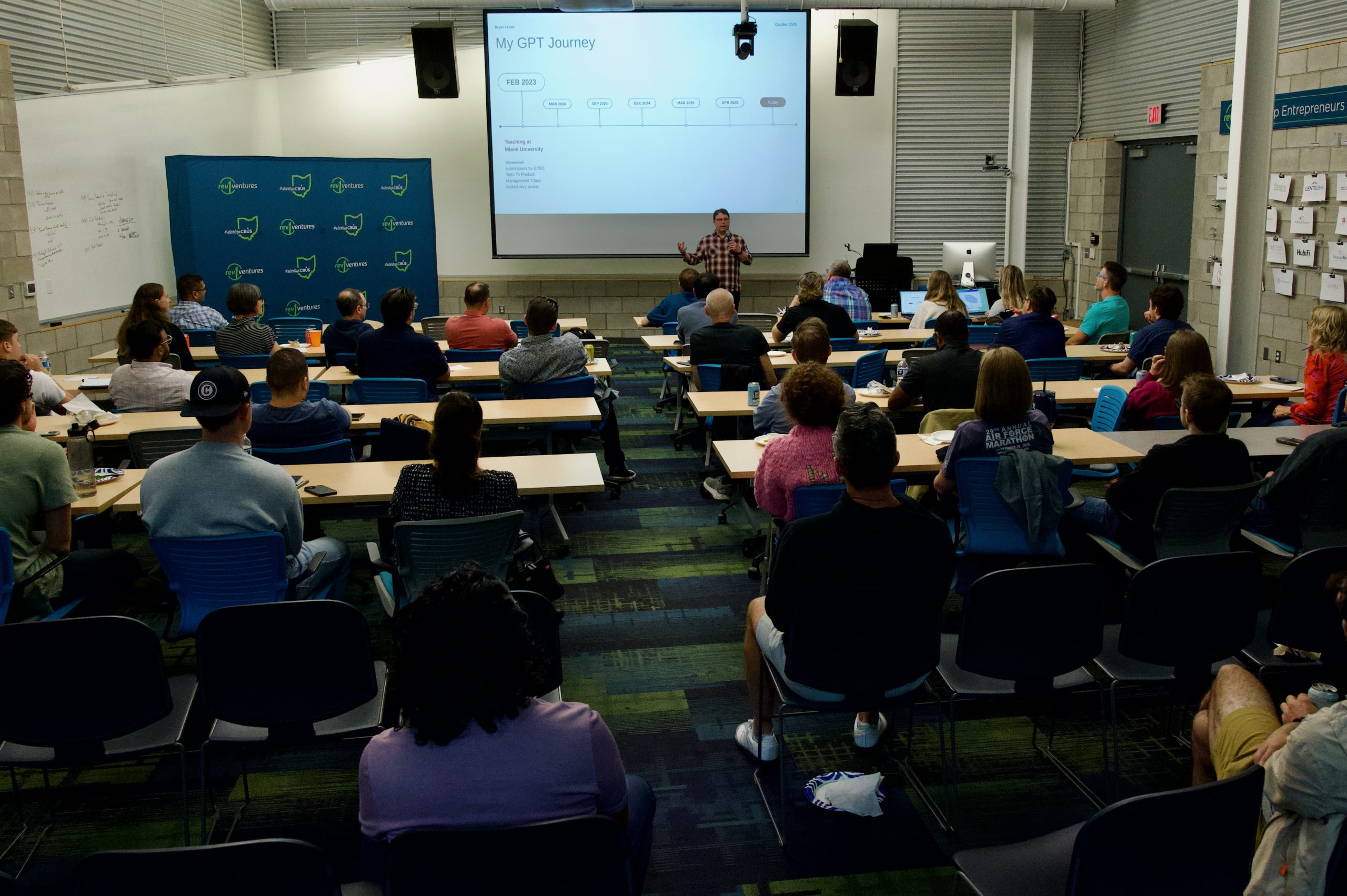
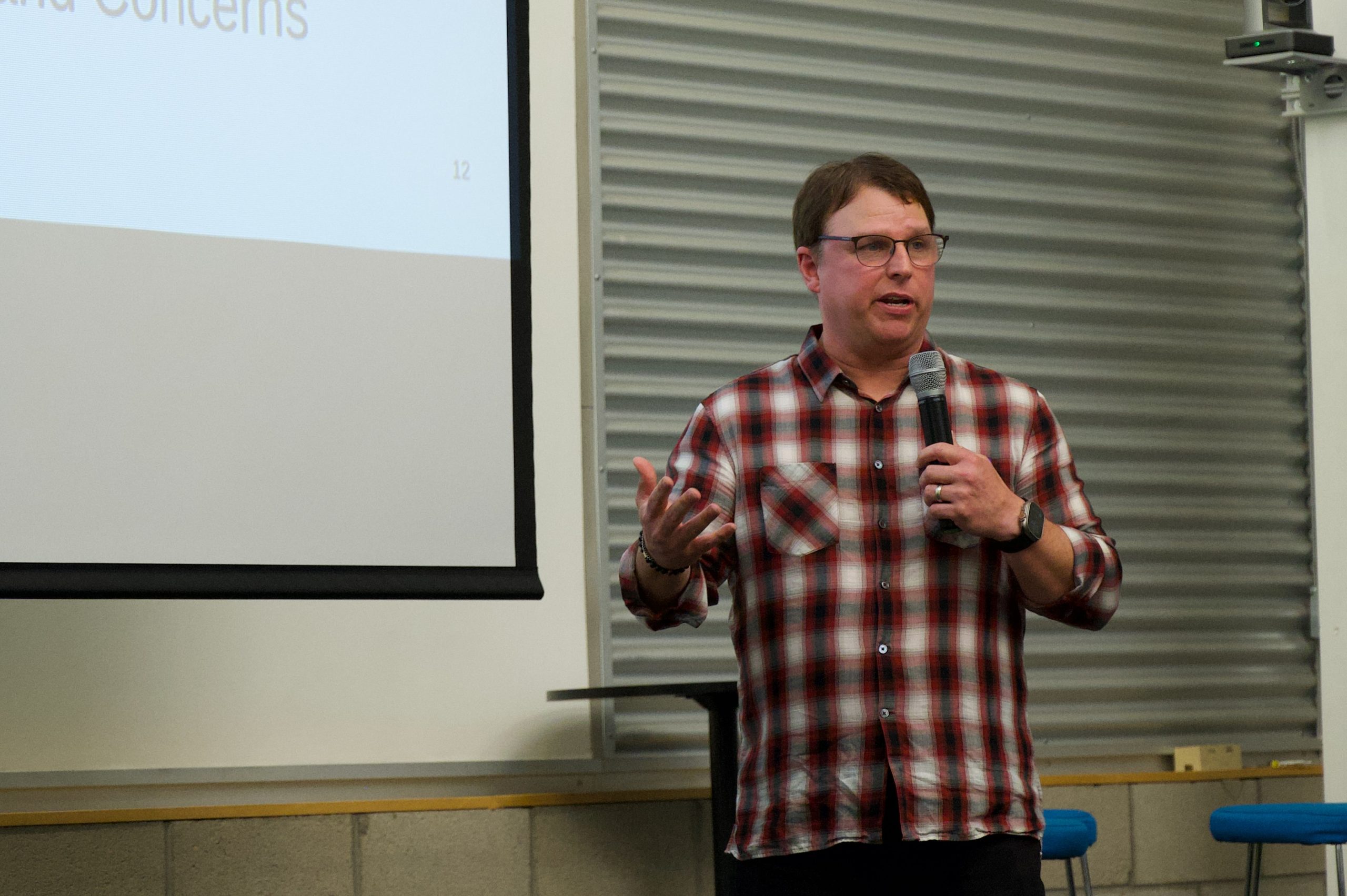
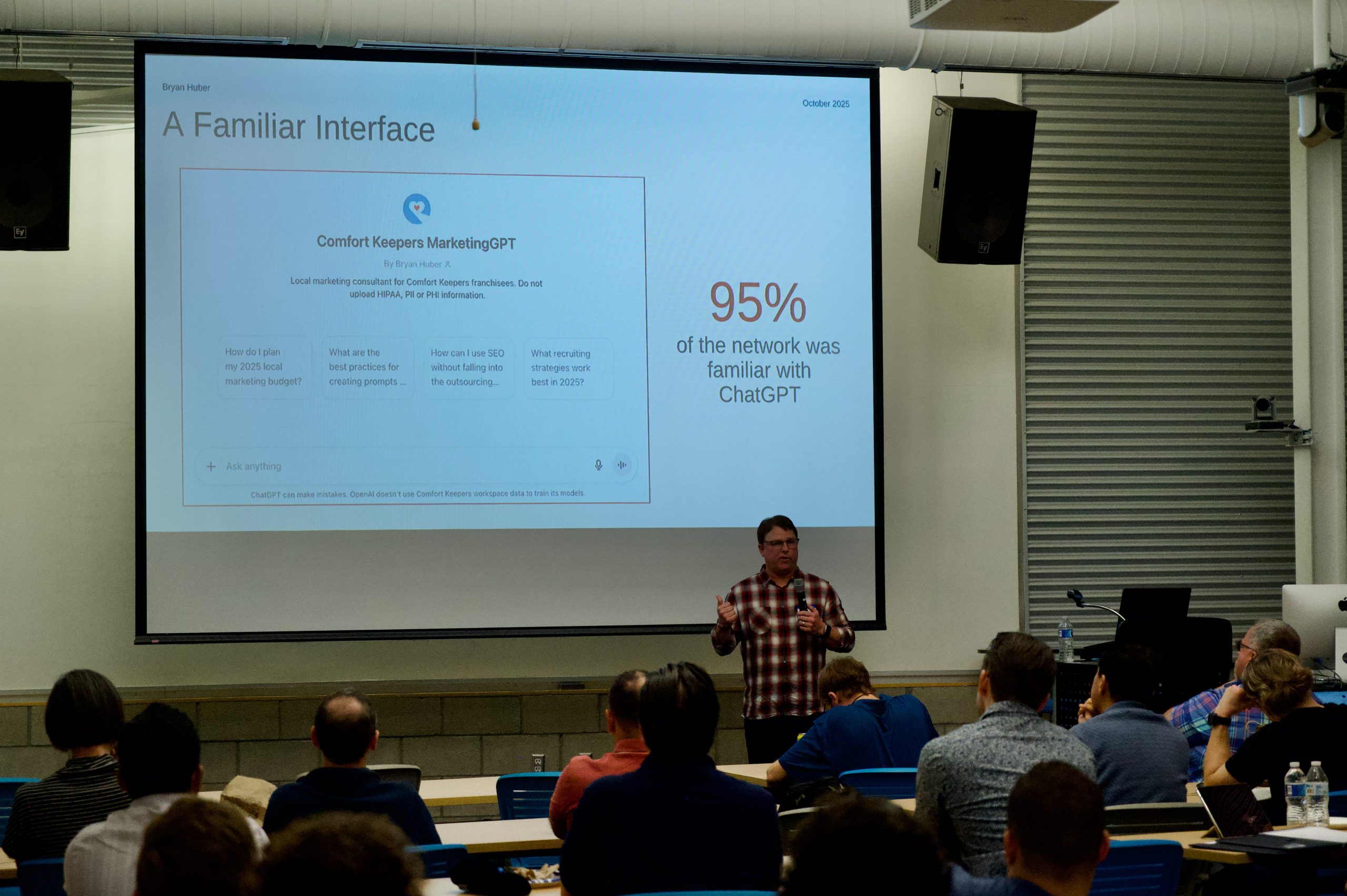
For our October event, Bryan Huber walked us through how he’s developed and deployed a custom GPT within his organization. As the Global VP of Digital Marketing and Analytics at Comfort Keepers, his team fields a wide variety of marketing questions from his organizations franchisees at different levels of technical sophistication. To empower those questioners as well as lighten the load on his own team, Bryan developed a custom GPT that leverages the question-answering power of ChatGPT, but also grounds it in his own organization’s best practices and adds some guardrails.

So what is a custom GPT anyways? It’s regular ChatGPT, but with a series of available customizations, including:

  • Custom instructions as you would in general ChatGPT, but sharing them across all users of all chats with the custom GPT.
    • This helps your users engineer better prompts, and put them on the right path from the start with each conversation.
    • Instructions can also help control what the custom GPT can do, steering users away from problematic areas.
  • Uploading your own documents to a knowledge base.
    • For example, you could make your own internal best practices documentation or research interactive by uploading them to a custom GPT.
    • These uploaded documents serve as a way to ground conversions in your own vetted information and also make those documents searchable.
  • Restrict the features users have access to.
    • Bryan shared some examples of egregiously poor marketing images created in ChatGPT. By turning off the image generation feature in the custom GPT, this prevent users from making those images and instead guides them to using the custom GPT to help create marketing text and come up with ideas rather than making slop images that might not follow organizational guidelines.
    • Similarly removing the web search capability can help focus the output on the vetted knowledge base and not just whatever web search can dig up.
  • Create “actions”, in the form of external API calls.
    • For example if you wanted up-to-date currency conversion numbers in your custom GPT you could connect to an external API using your own API key and get accurate numbers there rather than relying upon outdated training data or slow web search (which might be disabled in your GPT!)
    • Part of Bryan’s roadmap is to connect the custom GPT to the Google Ads API which allows its users to get detailed real-time information about things like CPC costs of keywords.

All of this for zero additional dollars, as custom GPTs are included on all paid ChatGPT plans!  Please note that on lower-level plans the custom GPTs you create will be public by default and include their conversation data into future OpenAI training data (the latter can be turned off under “Additional Settings” once the GPT is created).

This functionality is not exclusive to OpenAI, Claude offers similar functionality in “Projects” and Google Gemini does in “Gems”.

He also walked us through his journey of rolling out this tool to users, from early adopters to a happy user base of over 300 users.

Bryan also provided us with his slides! Since he’s also an organizer of this event, he would’ve had a stern conversation with himself if he had not.

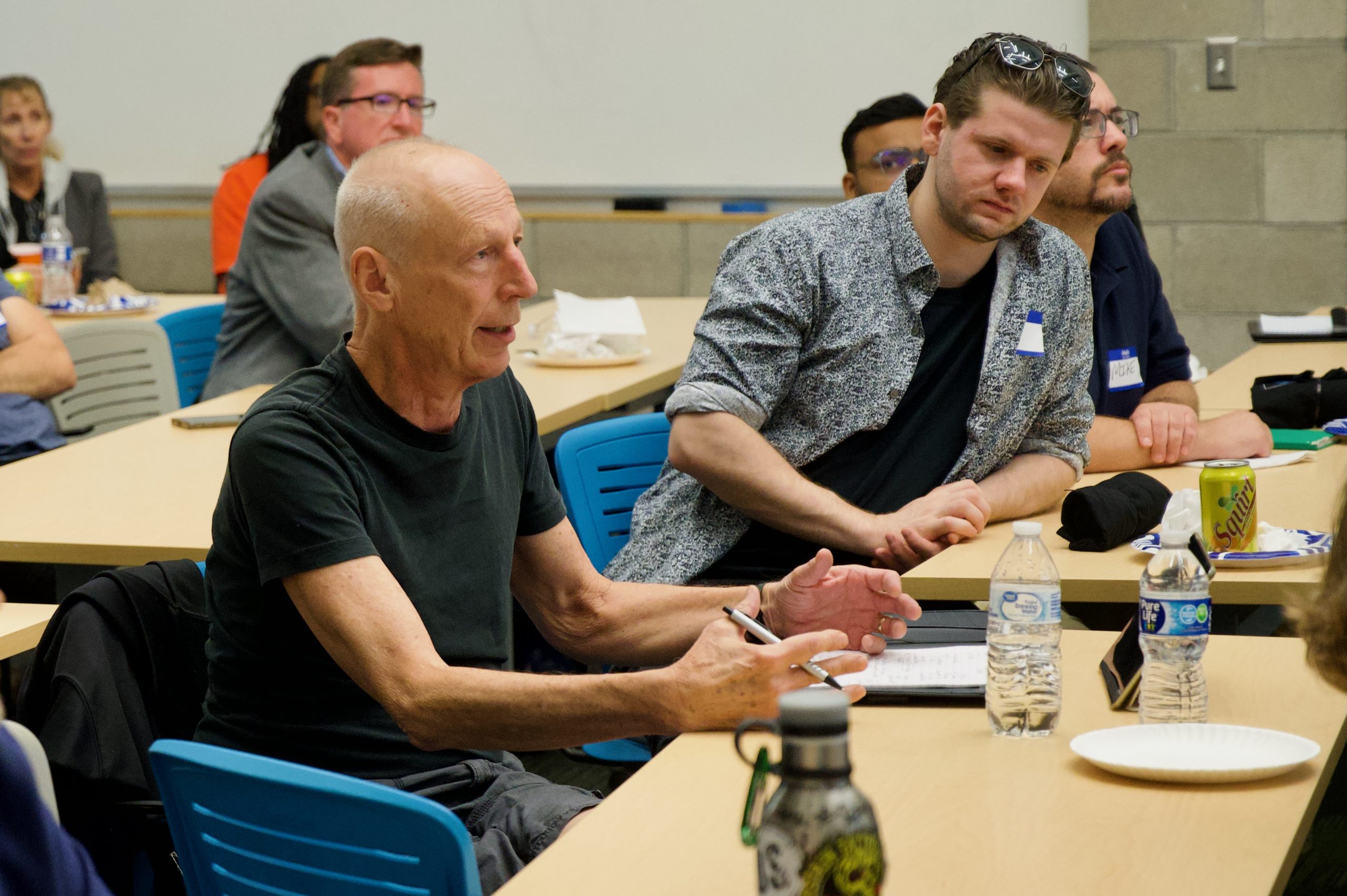
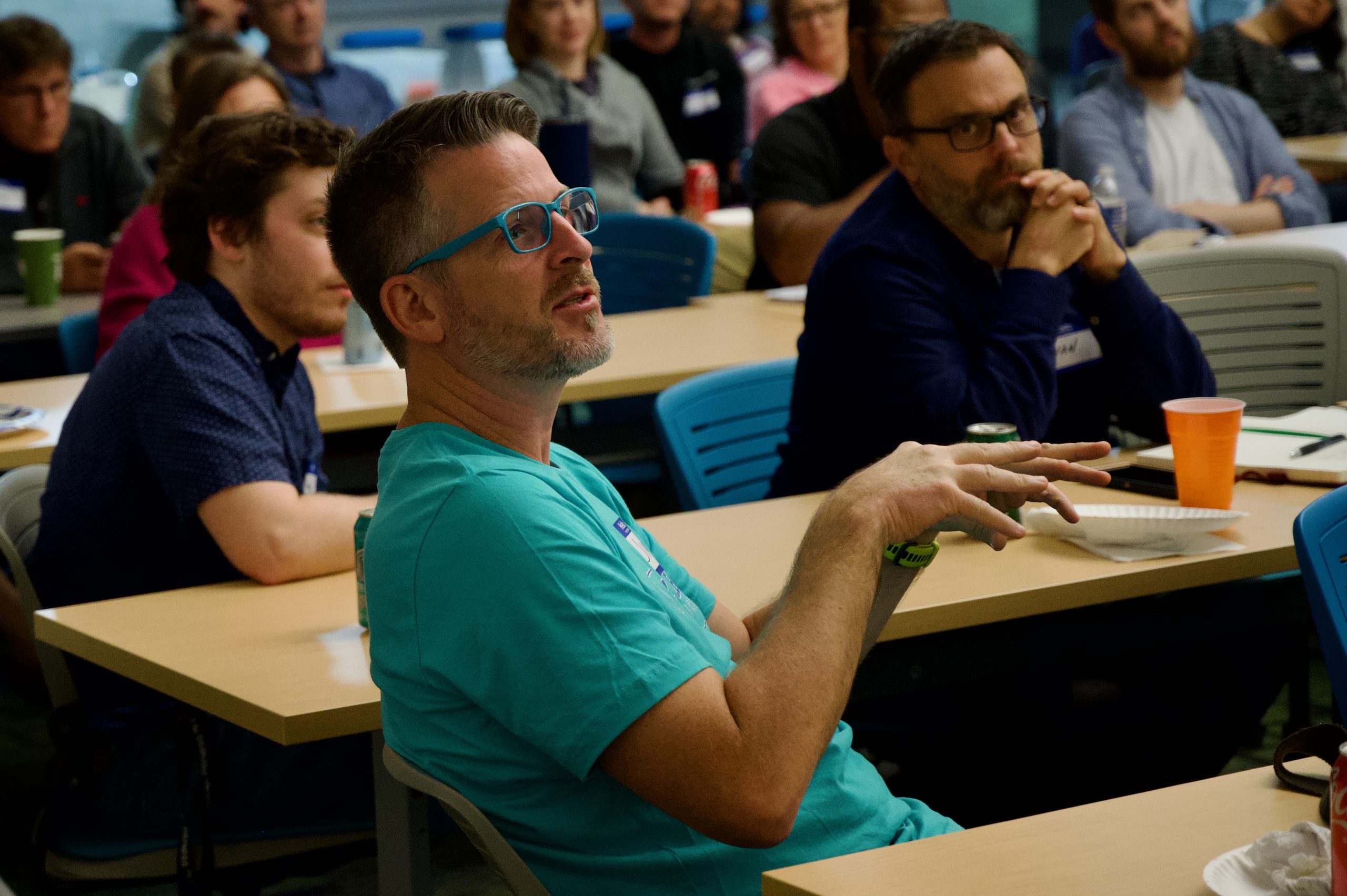
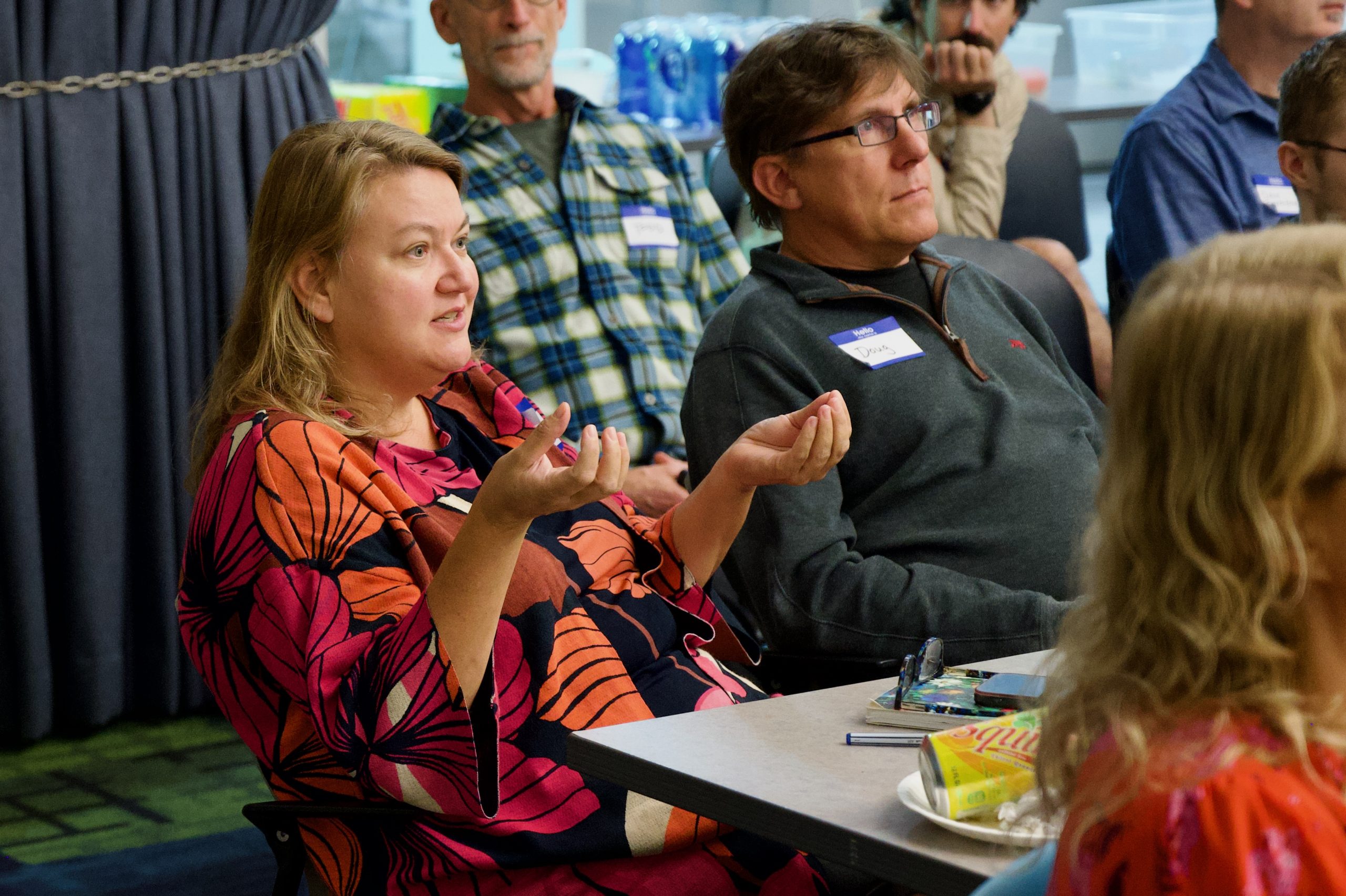
As always, the crowd had lots of practical questions!

September 2025 Recap – Piwik PRO

For our September events we welcomed sponsor Piwik PRO to Columbus for not one but two events!

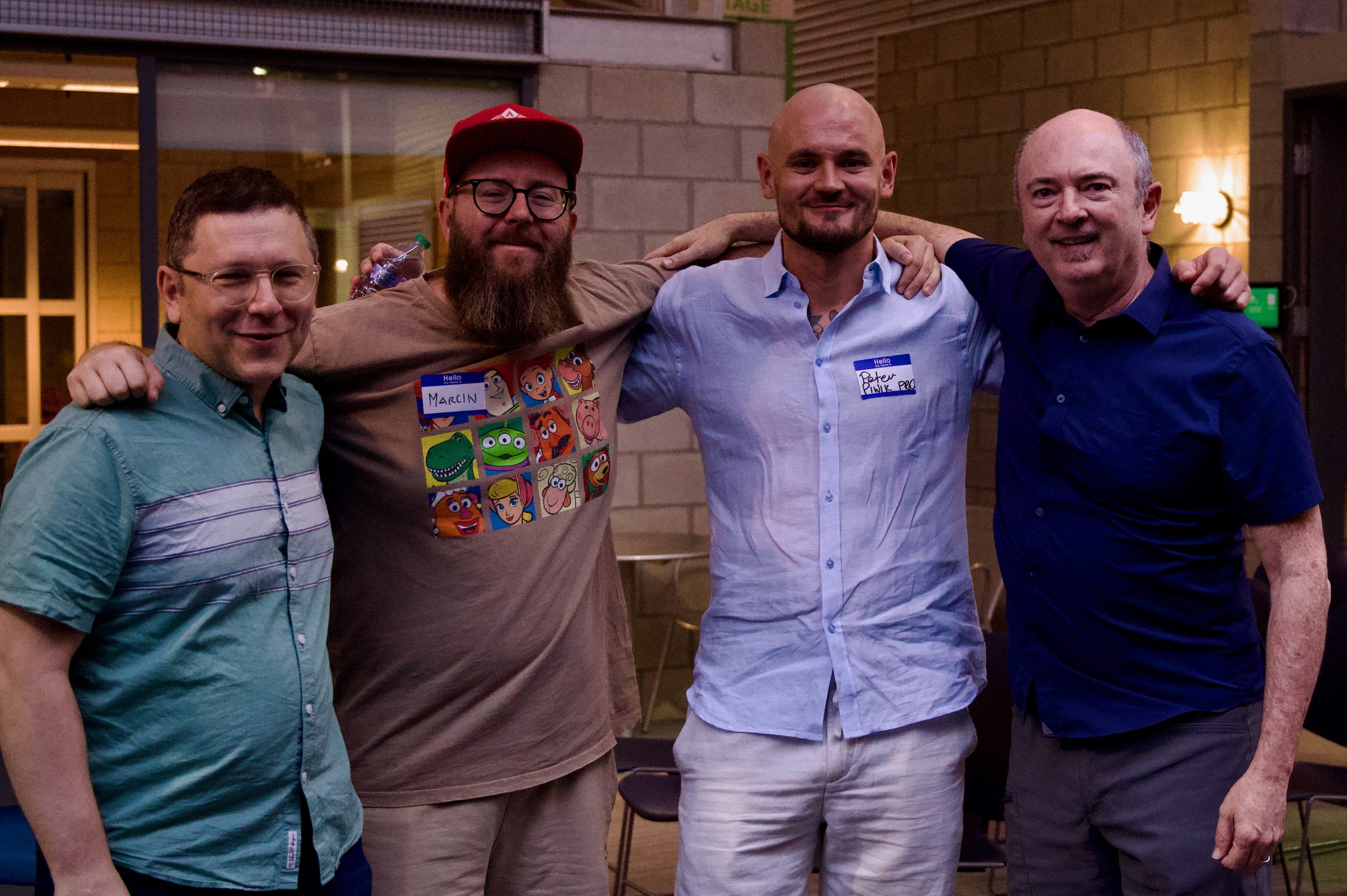
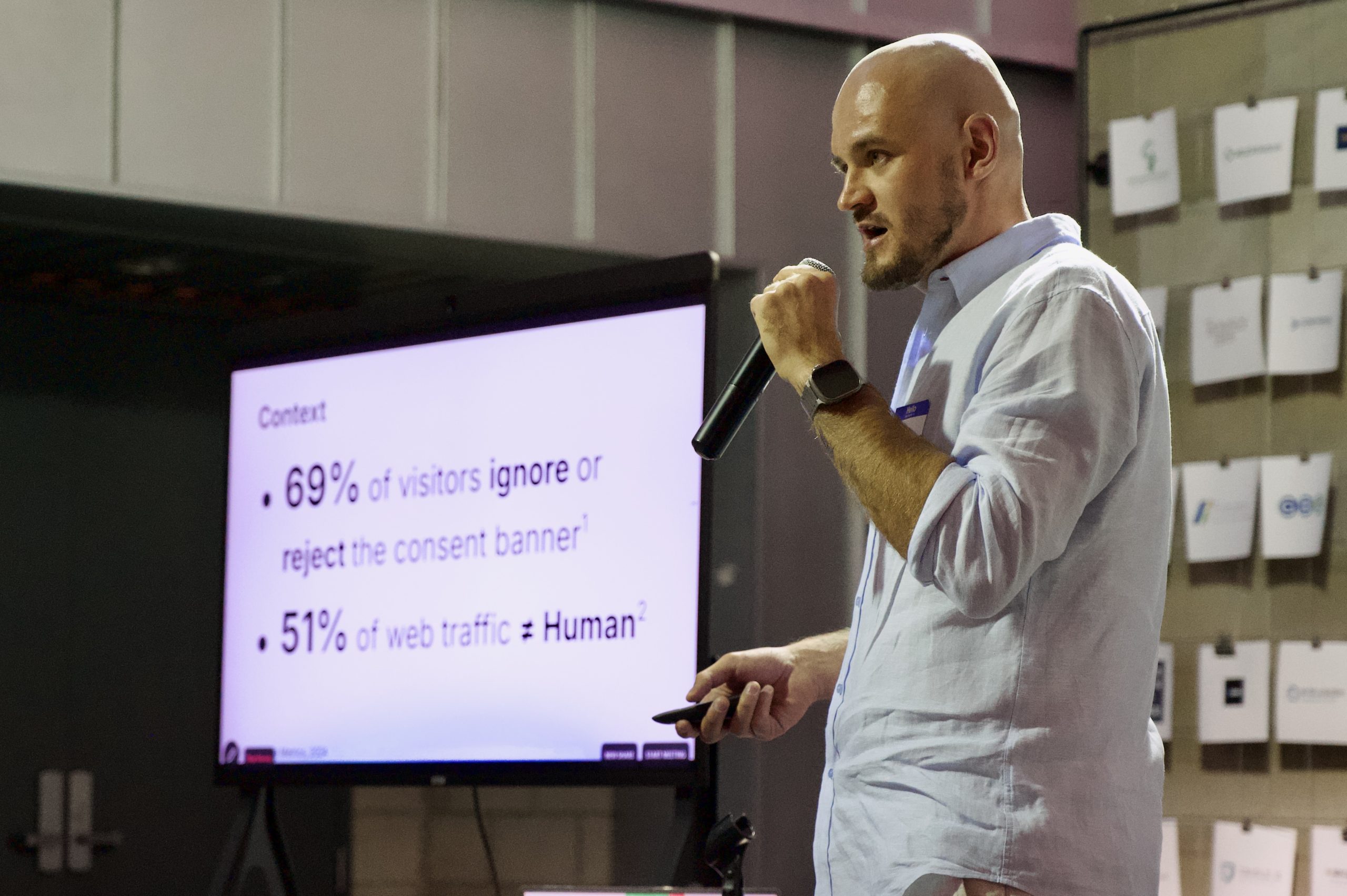
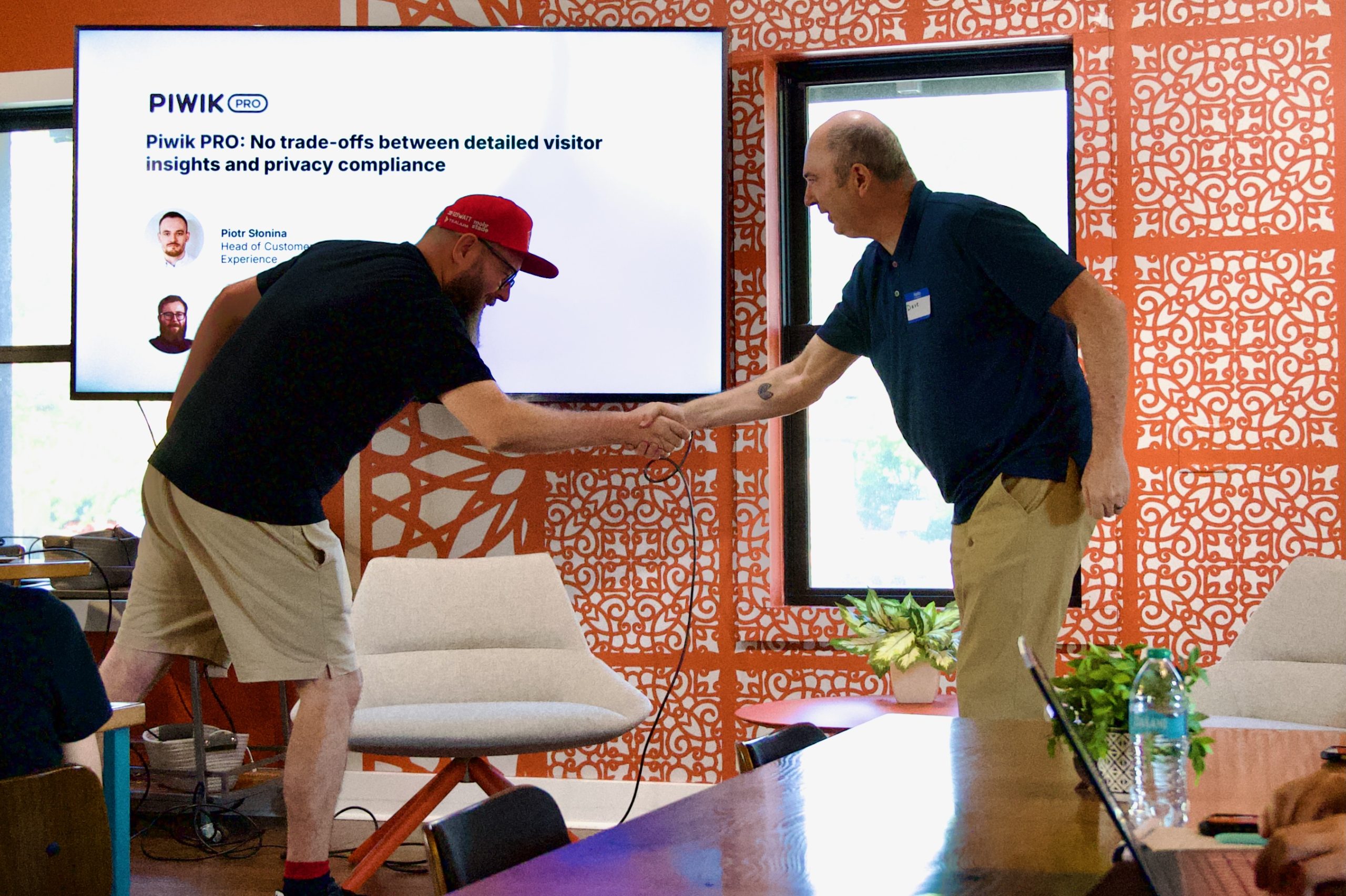
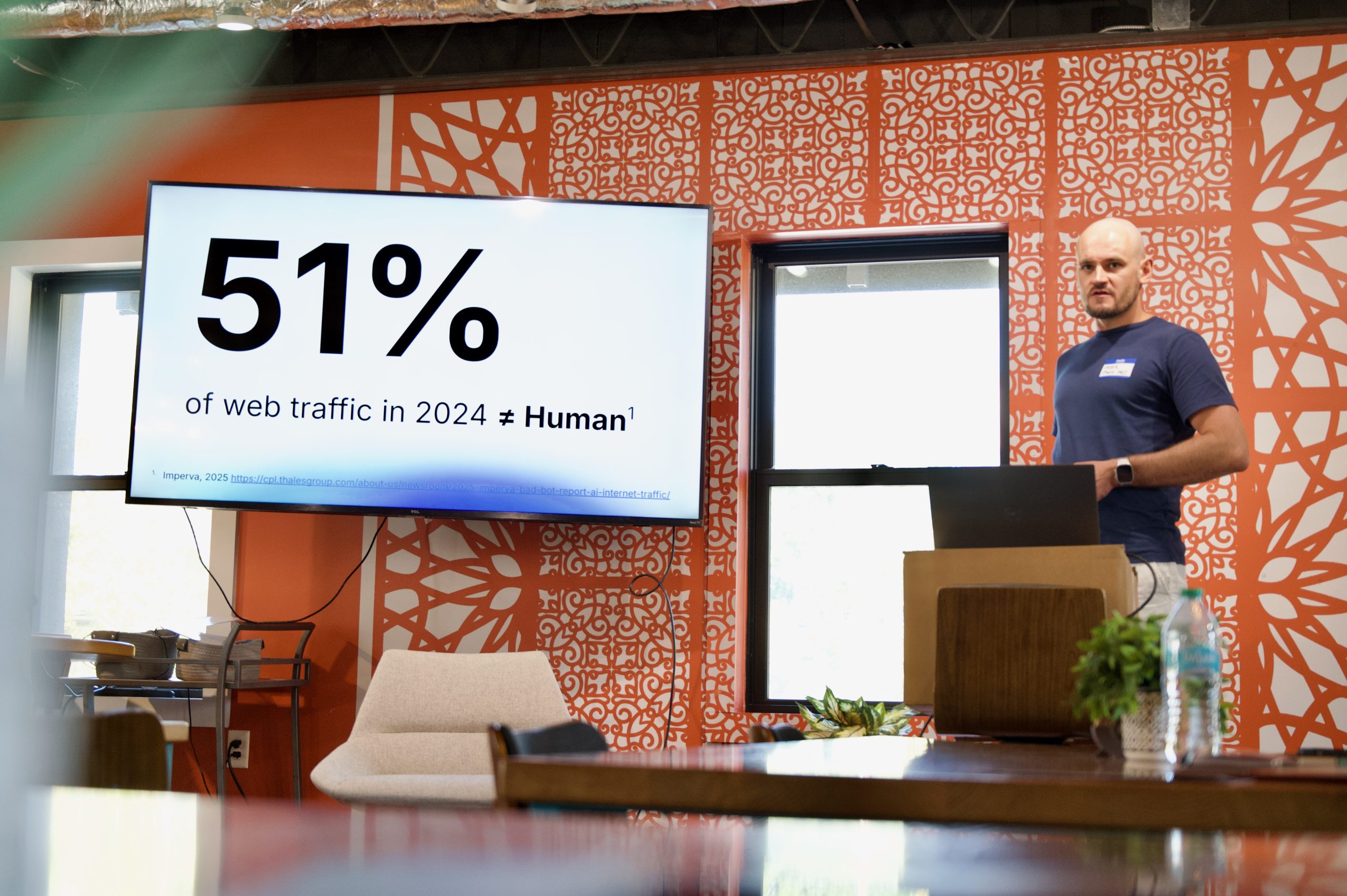
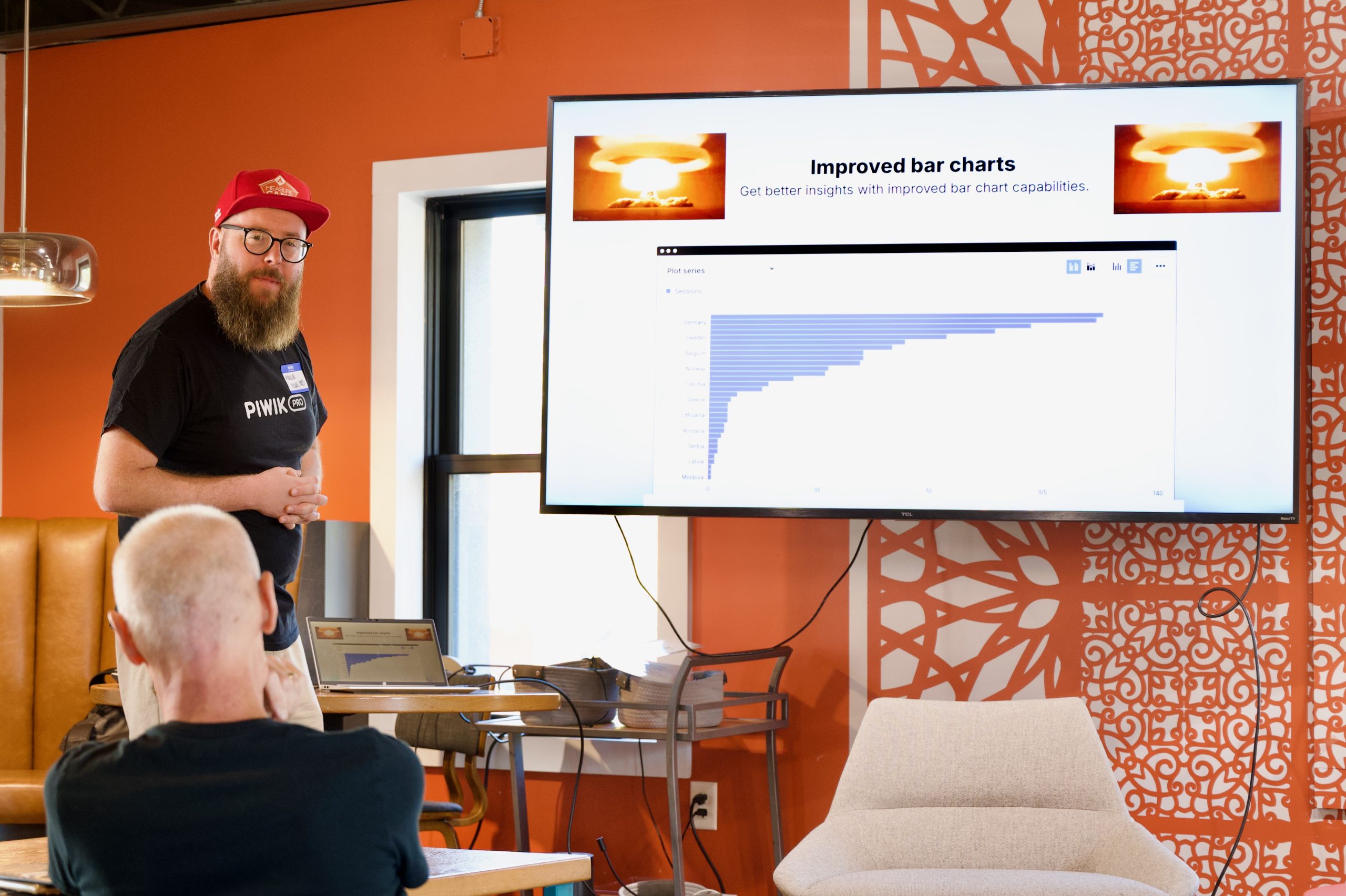
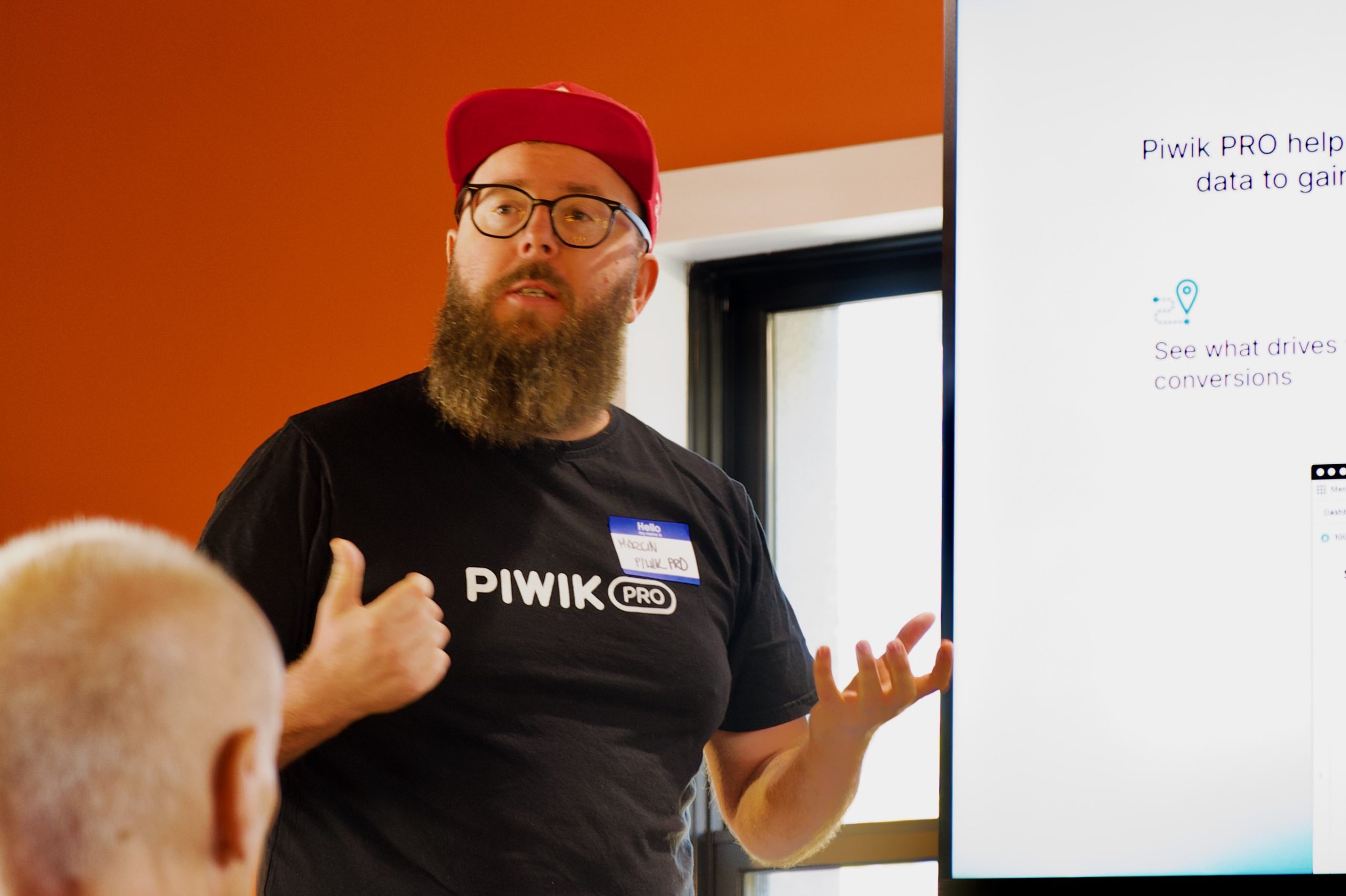
On Wednesday evening we had Jason Packer of Quantable Analytics talking about tracking methods, and Piotr Słonina of Piwik PRO talking about how their product fuses different kinds of tracking methods together in reporting.  Piotr and Marcin Pluskota flew all the way to Columbus from Wrocław, Poland for the event! We’d like to apologize for their flight delays and inform them that a multi-hour delay in Atlanta is, in fact, a rite of passage.

Due to an unforeseen scheduling snafu we had our first “al atrio” presentation in the atrium of Rev1 rather than in our typical room location, but we made it work. Jason and Piotr pitched a double-header of a presentation that covered things like:

    • How can we track anonymized users in a privacy-respectful way, even if those users decline cookies?
      Our answer – by not “tracking” those users in a way that lasts beyond a short period of time, or in ways that could clearly identify a particular user. Jason felt this should probably all be done with cookies, but the regulations around cookies have caused many vendors to look for work-arounds. Some of those work-arounds are more privacy-respectful than others.
    • Where is the line between a session hash (like IP + User-Agent) and browser fingerprinting?
      Our answer – it’s not a distinct line, but tools that use invasive methods and provide durable fingerprints are on the wrong side of it, at least when used for tracking.
    • How do tools like GA4 and Piwik PRO handle these different types of users: logged-in, cookied, and non-cookied?
      Our answer – GA4’s default blended user identity has a tiered hierarchy of user id, cookies, and modeling based upon “cookieless pings”. Piwik PRO has a more flexible solution that uses session hashes and allows individual sites to choose their own adventure when it comes to dealing with the so-called “consent gap”.

Jason’s Slides:

Piotr’s Slides

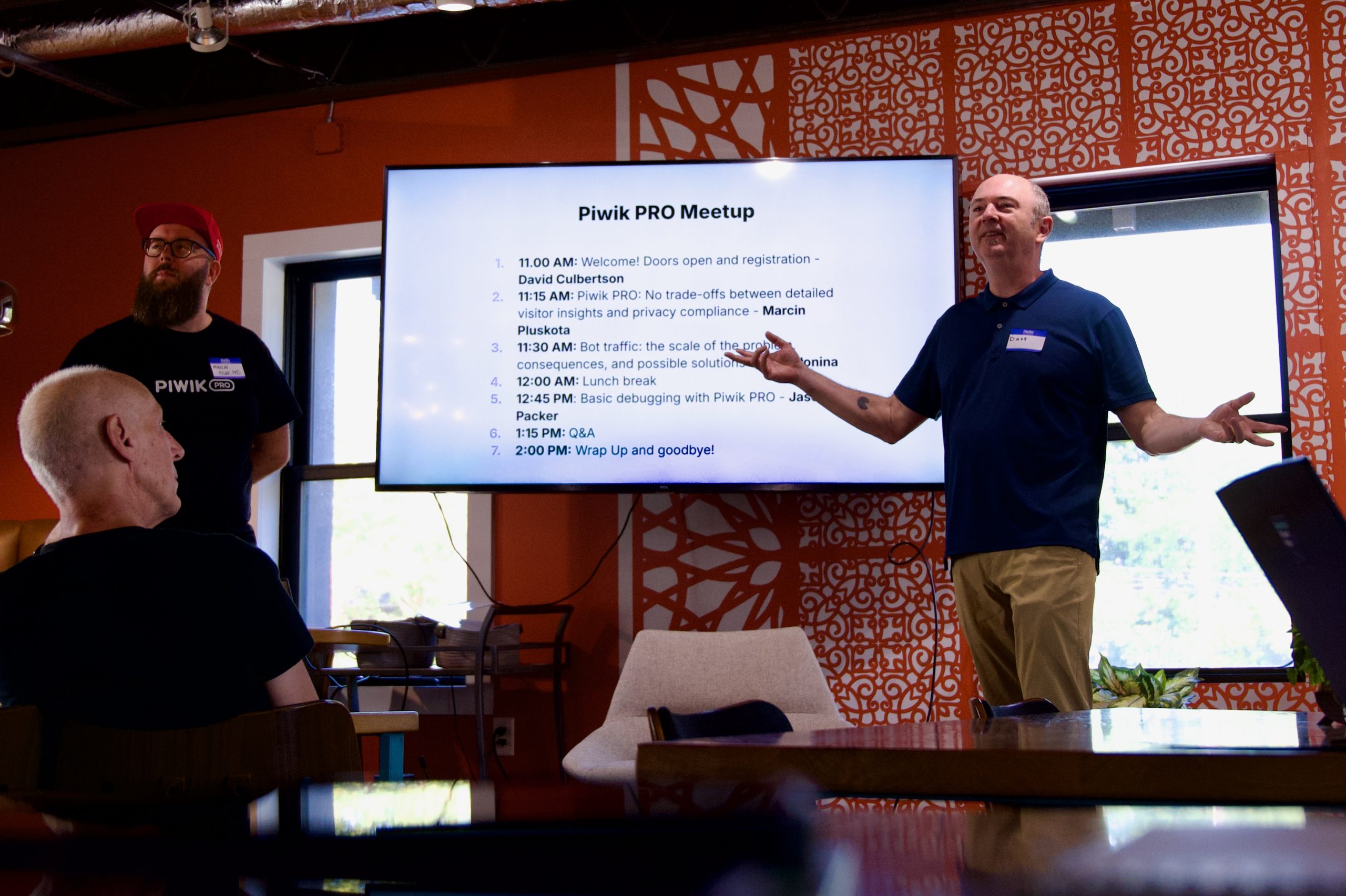
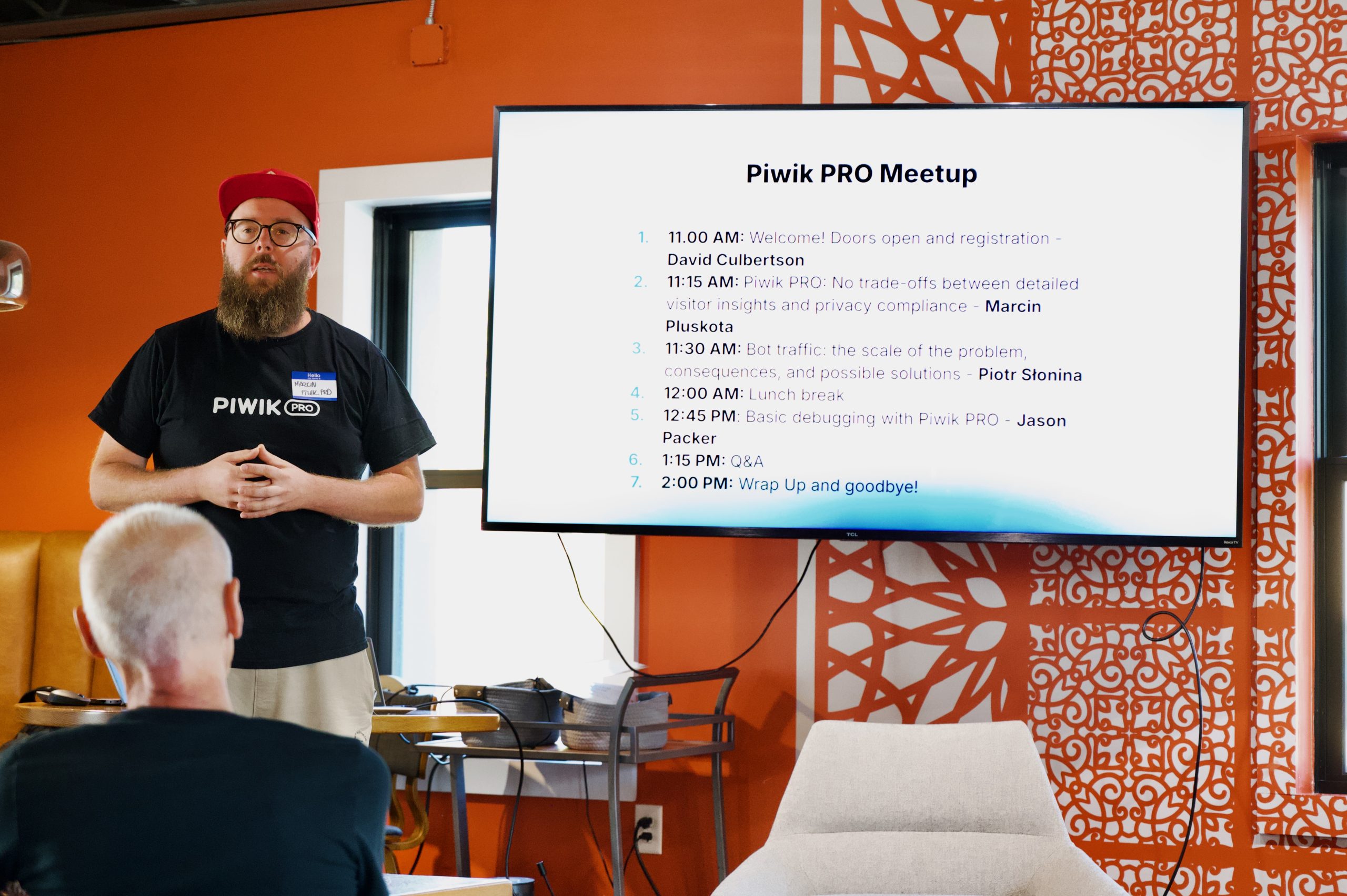
For those looking to learn even more, we also hosted a follow-up seminar on Thursday. This was the first official Piwik PRO meetup in the US, and we were were proud to have done that in Columbus! Some of the highlights from Thursday included:

  • A deeper discussion of the Piwik PRO suite including Tag Manager, CMP, and CDP.
  • Discussion of Piwik PRO’s migration away from their freemium model. Pricing now starts at $40/mo, more pricing info here.
  • A sneak preview of how Piwik PRO will be integrating the Fraud0 anti-bot system into their platform.
  • Delicious food from Brassica, and a very restrained amount of griping about GA4 from the audience.

Still hungry for even more Piwik PRO? Check out the upcoming Piwik PRO day on October 21, a virtual event featuring speakers such as Simo Ahava, Brian Clifton, Steen Rasmussen, as well as CBUSDAW veterans Matt Gershoff and Josh Silverbauer!

Some pics from both events:

June 2025 Recap – Reducing LLM Hallucinations

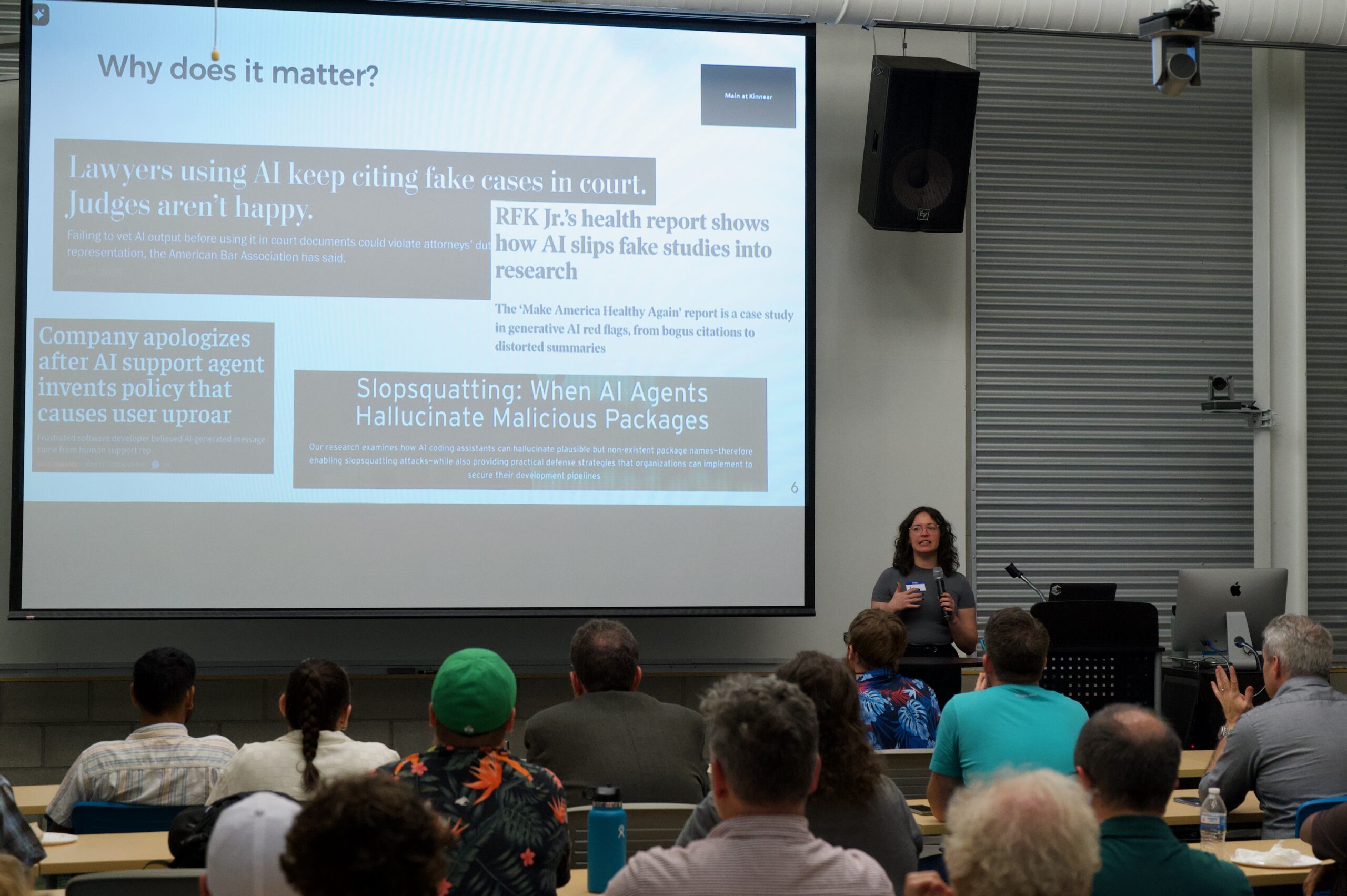
Our June event featured Ash Lewis from Ohio State Linguistics talking about why LLMs give us incorrect information so often, and strategies we can use to reduce this behavior.

While the standard term for this is of course “hallucination”, Ash pointed out that the term “confabulation” more accurately describes what is happening. Hallucination implies that the LLM is incorrectly perceiving something, however what we’re describing is not misperception. It’s AI creating statistically probable, yet incorrect information.

Wikipedia agrees with Ash and described hallucination thusly:

This term draws a loose analogy with human psychology, where hallucination typically involves false percepts. However, there is a key difference: AI hallucination is associated with erroneously constructed responses (confabulation), rather than perceptual experiences.

Of course as any linguist would point out, we don’t get to prescriptively say how language should be used… so we’re pretty much stuck with “hallucination”.

Whatever the term, this happens because everything that an LLM creates is simply what is statistically probable. Output which is also true is coincidental to the process. In other words: it’s guessing about everything, it just happens to be right enough to be very useful.

If you think that this is an issue of the past limited to older models, here’s current example from o4-mini:

During the talk we verified our group’s nerd cred by knowing how this guy found out who his dad was.

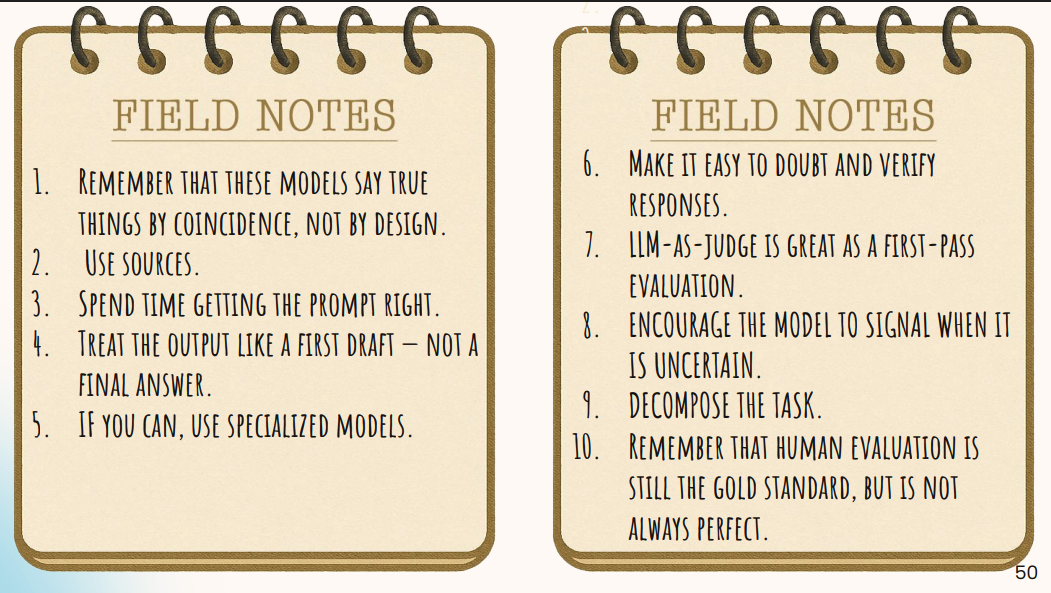
So how do we reduce this problem as much as possible? Here’s Ash’s helpful field guide notes:

Our prompt about our group’s history has set ourselves up for failure by breaking most of Ash’s rules.
We made the following mistakes:

  • Not breaking down (decomposing) our ask into small components. We didn’t ask for a more granular question, like the year the group started or a list of previous topics, we asked for a whole history.
  • Not encouraging the LLM to check its own work, step through its reasoning, or provide sources, or indicate uncertainty. As soon as we follow-up and ask things like, “what is your source for attendance doubling” it will say it has none.
  • Not letting the LLM search the web (this is a form of RAG). The o-series models from OpenAI are pretty good at knowing when they should do this, and likely would have done so in this scenario.
  • Not getting more than one response. When asked a second time with the same prompt, it said it didn’t have enough information to give a response.

Ash then dug into details about the work she is doing with COSI (the Columbus science museum) creating an AI agent that can help visitors with questions about the museum. This work attempts to limit hallucinations as well as provide the museum a more affordable and privacy-friendly solution than just sending things to ChatGPT.

She also helpfully has provided us with her slides!

As usual — especially when it’s a talk on AI — the crowd had a lot of great questions!

And a few pictures from the event. All totally real. Really. Maybe?

April 2025 – Using Predictive Modeling to Prevent Homelessness with Ty Henkaline

Our April 2025 event featured Ty Henkaline talking about work that he has done with non-profits in Franklin County to help better understand homelessness. Ty has been working with Smart Columbus’ Columbus Community Information Exchange Initiative (CIE) to produce research that utilizes data from the Mid-Ohio Food Collective (MOFC) and the Community Shelter Board (CSB) to help us better understand this growing problem.

As Ben Franklin — for whom our county is named after — famously said, “An ounce of prevention is worth a pound of cure.” No question this is doubly true for homelessness, and providing early warning to agencies that help prevent these crises is a great use of data.

But as Ty pointed out, this data is not always easy to come by. Our existing systems were all built separately, and data integration was never a priority. Sensitive data about at-risk individuals is a challenging arena to work in, and Ty emphasized both the value of having partners that were truly invested in making this system work as well as the potential value of additional data sources.

This “spike chart” was a huge hit with the audience, and shows the following things:

  1. A growing increase in services usage (in particular food banks) was a strong leading indicator of a homelessness.
  2. With far fewer data sources compared to LA, Franklin County was able to see a very similar effect. How often do you see that in data modeling?
  3. Individuals experiencing first-time homelessness continue to need an elevated level of services after the initial crisis. This reinforces the notion that prevention can do a lot to improve the overall load on the system.

As promised, Ty provided us with his slides, which contain lots of links and some calls to action! Try scrolling to navigate the slides, or check out the direct link here.
If you’re interested in helping or learning more, please feel free to message Ty on LinkedIn.

Check out the engaged audience!

March 2025 Recap – A/B Testing with Melanie Bowles

headstone from Google Graveyard

When we last had Melanie Bowles as a speaker in 2019, she lead an informative session on building a sustainable experimentation strategy. Since nothing at all has changed since 2019, we just replayed that talk and then everyone went home. While I’m obviously being facetious — much of the strategies that Melanie laid out in that talk are still very relevant! The landscape has changed a lot since then, from big changes in browser privacy and client-side technology to the shutdown of the most widely used tool in the industry, Google Optimize.
While there’s no clear successor to Optimize, there are many good testing tools out there, including popular options like: AB Tasty, Convert.com, Visual Website Optimizer, Optimizely, etc. Most of these tools do also offer integration with GA4.

Deployment count of tools via BuiltWith data

As you can see from this chart based upon deployments in the top 1M sites, none of these tools are exactly catching fire with popularity. A big reason for that may be that none of them are free for unlimited usage like Optimize was. Melanie also pointed out that A/B testing and similar functionality like feature flagging has in some cases moved into all-in-one suites like Amplitude, Salesforce, etc. The sunset of Optimize can be looked at as a chance to mature our A/B testing practices, and focus them where they can have the most impact.

Melanie also suggested that we embrace AI tools, especially on the ideation side of testing. There’s no substitute for human expertise when building out tests, but it’s certainly not cheating to let ChatGPT come up with some potential variations for your test! Just remember to give the AI as much context as you can. Melanie ran through a quick example which included providing the AI with a customer persona, which you can find in her slides below!


As a new twist for the meetup in 2025, we’re making a donation to a speaker-selected non-profit at each event. Melanie chose to designate Columbus Cultural Orchestra — a program for young people 13-25 to develop their musical skills and enhance diversity in orchestral music — for a $250 donation!

February 2025 Recap – Analytics the Right Way with Tim Wilson

Our first event of 2025 was a book release party for CBUSDAW’s very own Tim Wilson!

If you’ve ever been to a CBUSDAW event before (or listened to his podcast the Analytics Power Hour) you’ll know that Tim has a lot of things to say about analytics. Smart things, funny things, cranky things, etc. To our benefit, he’s organized many of these thoughts together into a book (with co-author Dr. Joe Sutherland) called “Analytics the Right Way: A Business Leader’s Guide to Putting Data to Productive Use“.

This is an excellent book that may be targeted towards “business leaders” with its title, but can also be incredibly useful for analysts themselves in terms of how to think about doing analytics in a productive way. There’s a lot of books out there covering tools, methods, and technology — but Tim and Joe’s book stands out in being about actually using analytics within an organization to further business goals. (NB: this is Jason writing this recap, and not Tim awkwardly hyping his own book in the third person. Also Tim I promise I will get around to writing that Amazon review at some point.)

But this wasn’t just a book signing with free beer, Tim did also give a talk about some of the topics he covered in the book! We had a great crowd, with friends and colleagues of Tim’s coming in from as far as Chicago, Nashville, and Boston.


We also had Jim Gianoglio jump in behind the camera (Tim’s normal job) and get some great action shots:


November 2024 Recap – Piwik PRO and Clarity with Josh Silverbauer

For our November 2024 event, we brought Josh Silverbauer in from Philly to talk about behavior analytics (in the form of MS Clarity) and marketing analytics (in the form of Piwik PRO) and when you might want to use each one.
Since Josh is well-known for writing parody songs to introduce speakers, here at CBUSDAW we flipped the script on him and opened the event with a surprise parody song about Josh.

We present “It’s Josh Silverbauer” to the tune of “In the Midnight Hour” by Wilson Pickett, sung by Jim Gianoglio and featuring Jason Packer on kazoo.


While Josh is a fan of both Clarity and Piwik PRO, he’s pointed out that he’s not paid anything by either organization… so he’s free to tell it like it is. And “how it is” is that both tools are great additions to any analyst’s arsenal — and with a generous free tier for Piwik PRO and a totally free product with Clarity there’s not much barrier to entry.

Josh pointed out how the two tools can easily used to supplement each other. For example, one could use Piwik PRO to find a particular aggregate group of users that aren’t converting well, and then review those users’ entire sessions with the session recording feature in Clarity. Or check the heatmap of the landing page for that same group.

If you’ve used session recording tools in the past you know that it can be pretty tedious to watch the recordings one-by-one. It’s like, “geez, just click the button already user #23341, it’s RIGHT THERE”.

Microsoft has recently integrated CoPilot into Clarity so it can now help save you from watching a ton of videos and instead can summarize and do some basic analysis for you.

Josh described Piwik PRO as “what Google’s Universal Analytics 2.0 could have been if GA4 didn’t exist”. If you were a serious user of our dearly departed UA you’ll feel right at home in Piwik PRO, and you’ll be pleased to see how well thought-out the platform is.

Josh’s slides:

Ok, so Clarity and Piwik PRO are both pretty cool tools, but what about rock operas?

Josh (and Jason) are releasing Volume 2 of Josh’s epic analytics rock opera entitled “User Journey Volume 2: The Custom Dimension” on November 18th.

You can listen to the first volume, “Universal Sunset” now on Spotify and most other streaming platforms.

Finally, don’t forget to join us next month for our yearly holiday event at the Grandview Theater. No speakers, but there will be a movie this year and you can vote on what you’d like it to be!

Disclaimer: Piwik PRO is a sponsor of CBUSDAW — but they only pay for the monthly pizza, not our (or Josh’s) endorsements.